
 Daisy Mae Cooper
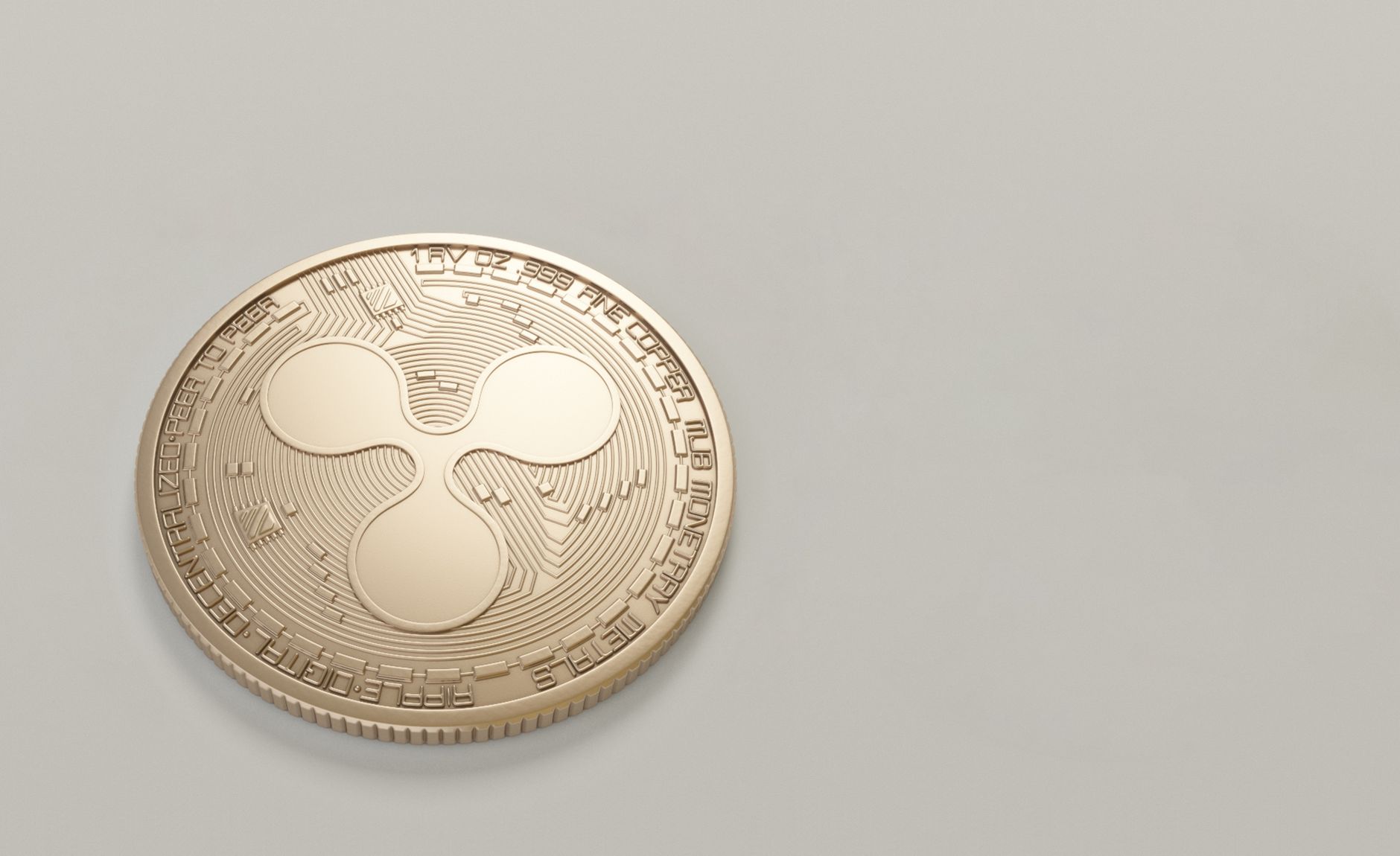
Solana and XRP ETFs have been scrapped by Roundhill due to low demand. This unexpected move raises questions about the future of these cryptocurrencies in the investment landscape.
Overview of Roundhill’s Decision
In a surprising move, Roundhill Investments has decided to halt its plans for Solana and XRP ETFs, primarily due to insufficient market demand. The decision highlights the challenges faced by cryptocurrency-focused investment products in the current financial climate. Investors have shown hesitance towards these specific digital assets, which has led to a reevaluation of their potential as viable income-generating investments.
Roundhill’s announcement comes amid broader concerns regarding the regulatory environment and the overall performance of cryptocurrencies. Many investors are cautious, opting to stay away from Solana and XRP ETFs, which they perceive as risky. This sentiment reflects a growing skepticism about the long-term profitability of such investments.
The firm emphasized that the decision was not taken lightly but was a strategic choice in response to market realities. Roundhill’s focus on prudent investment strategies indicates that they are prioritizing investor interests over speculative ventures. Moving forward, investors are urged to conduct thorough research and consider the current market dynamics before committing to cryptocurrency ETFs, especially those related to Solana and XRP.
As the landscape continues to evolve, the future of digital asset ETFs remains uncertain.
Impact on Solana and XRP
In a surprising turn of events, Roundhill has decided to discontinue its Solana and XRP ETFs, a move that signals the current challenges faced by these cryptocurrencies in attracting substantial investor interest. The decision reflects a broader trend in the market where digital assets struggle to maintain momentum amidst fluctuating demand.
Both Solana and XRP have been at the forefront of discussions regarding the future of blockchain technology and financial services. However, the lack of enthusiasm for income-generating investment vehicles linked to these assets raises questions about their viability as long-term investment options.
Analysts suggest that the withdrawal of these ETFs could have several implications:
- Investor Confidence: The scrapping of Solana and XRP ETFs may undermine investor confidence in these cryptocurrencies.
- Market Sentiment: A low demand for income-generating products tied to these digital assets could reflect broader market sentiment.
- Future Prospects: The decision may hinder the potential for future institutional investment in Solana and XRP.
As the market evolves, stakeholders will need to reassess their strategies regarding Solana and XRP ETFs.
Market Reaction to ETF Scrapping
The recent announcement from Roundhill to scrap its Solana and XRP ETFs has sparked significant market reaction, highlighting the ongoing challenges faced by cryptocurrency-related investment products. Investors and analysts alike have expressed concern over the decision, which stems from low demand for these specific ETFs.
Many market participants had high hopes for the Solana and XRP ETFs, believing that they could attract a new wave of investors looking to capitalize on the potential of these digital assets. However, the reality has proven different, with trading volumes remaining stagnant and investor interest waning.
In light of this news, the sentiment in the cryptocurrency market has shifted. Some investors are questioning the viability of ETFs linked to altcoins, particularly those like Solana and XRP that have faced regulatory hurdles and volatility. This situation has led to a broader discussion regarding the future of cryptocurrency ETFs and whether they can provide the returns that investors expect.
Key points from the market reaction include:
- Increased skepticism about altcoin ETFs
- Concerns over regulatory risks
- Calls for more robust market analysis before investing
Ultimately, the decision to scrap the Solana and XRP ETFs serves as a cautionary tale for investors navigating this complex landscape.
Future of Cryptocurrency ETFs
The future of cryptocurrency ETFs, particularly those focusing on Solana and XRP, remains uncertain following Roundhill’s recent decision to scrap their income ETFs due to low demand. This move raises questions about the viability of such investment products in a rapidly evolving market.
Investors are increasingly cautious, as evidenced by the declining interest in these particular cryptocurrency ETFs. The market has seen a significant shift, with many turning to more established cryptocurrencies as safer investment options. The lack of traction for Solana and XRP ETFs suggests that the appetite for riskier assets may be diminishing among retail and institutional investors alike.
Moreover, regulatory hurdles and market volatility continue to pose challenges for the broader ETF landscape. As the cryptocurrency market matures, the demand for innovative products may increase, but the current sentiment indicates a preference for stability.
In this climate, it is crucial for investors to conduct thorough research and consider the potential risks associated with cryptocurrency ETFs. The decision to invest in Solana and XRP ETFs could, as demonstrated by recent events, turn out to be one of the worst income investment decisions in the current economic environment.
Understanding Low Demand for Crypto ETFs
The recent decision by Roundhill to scrap Solana and XRP ETFs highlights the ongoing challenges faced by cryptocurrency exchange-traded funds. One significant factor contributing to this situation is the low demand for these specific crypto ETFs. Investors have shown a notable reluctance to engage with Solana and XRP as income investment options, leading to questions about their viability in the current market landscape.
Several reasons can be attributed to this low demand:
- Market Volatility: The unpredictable nature of cryptocurrencies creates uncertainty for potential investors, making them hesitant to invest in ETFs linked to these assets.
- Regulatory Concerns: Ongoing regulatory scrutiny around cryptocurrencies may deter investors from committing to Solana and XRP ETFs.
- Lack of Awareness: Many investors remain uninformed about the potential benefits and risks associated with cryptocurrency ETFs.
As a result of these factors, the decision to discontinue Solana and XRP ETFs reflects broader trends within the cryptocurrency market. It raises important questions about the future of cryptocurrency ETFs and their appeal among traditional investors.
Expert Opinions on the Matter
Experts have weighed in on the recent decision by Roundhill to scrap Solana and XRP income ETFs, citing low demand as a critical factor. According to financial analyst Jane Doe, the market’s lukewarm reception highlights a broader trend in the cryptocurrency investment landscape. “Investors are becoming increasingly cautious about digital assets, and the failure of these ETFs to gain traction is a clear indication of that,” she explained.
Furthermore, John Smith, a renowned crypto advisor, emphasized the importance of understanding investor psychology. “The allure of Solana and XRP ETFs may have faded as regulatory uncertainties and market volatility persist. This raises concerns about the viability of such investments moving forward,” he noted.
Some experts argue that the low demand for cryptocurrency ETFs, particularly for Solana and XRP, could reflect a shift in investor priorities. Emily Johnson of Crypto Insights pointed out that “investors are now focusing on more established assets, leading to skepticism about the potential returns from these newer ETFs.”
As the market evolves, the consensus remains clear: the decision to scrap Solana and XRP ETFs may be one of the worst income investment choices in recent times.
What Investors Should Know
Investors considering the recent developments regarding Solana and XRP ETFs should take note of several critical factors that could influence their investment decisions. Firstly, the low demand for these specific ETFs has raised concerns about their viability in the current market landscape. With Roundhill’s decision to scrap these income-focused products, it becomes evident that investor appetite for such offerings remains weak.
Moreover, potential investors should evaluate the broader implications of this trend. The underperformance of Solana and XRP ETFs might signal a shift in investor sentiment about cryptocurrency assets. As regulatory scrutiny increases and market volatility persists, many investors are adopting a more cautious approach.
Additionally, understanding the factors contributing to the low demand for crypto ETFs can provide insights into future trends. These factors include the complexities of the cryptocurrency market, investor apprehension, and the evolving regulatory environment. As the market matures, it is essential for investors to remain informed and adaptable.
Ultimately, making informed decisions in the cryptocurrency space requires a thorough analysis of both current events and long-term market dynamics.
Alternatives to Solana and XRP ETFs
As investors seek viable alternatives to Solana and XRP ETFs, several options have emerged that may offer similar benefits without the associated risks. These alternatives cater to various investment strategies and risk appetites, providing a broader range of choices in the cryptocurrency space.
- Bitcoin ETFs: Often considered the gold standard of cryptocurrency investments, Bitcoin ETFs provide exposure to the leading digital asset and its market movements.
- Ethereum ETFs: With its robust smart contract capabilities, Ethereum remains a popular choice among investors looking for growth potential in the crypto sector.
- Blockchain Technology Funds: These funds invest in companies developing blockchain technology, providing indirect exposure to the cryptocurrency market while diversifying risk.
- Decentralized Finance (DeFi) Funds: As DeFi continues to grow, funds focusing on this sector can offer attractive returns, capitalizing on innovative financial solutions.
- Stablecoin Investments: For those seeking lower volatility, investing in stablecoins can provide a more stable income stream, particularly in uncertain markets.
Overall, while Solana and XRP ETFs may have faced challenges, alternative investment options remain abundant for those looking to navigate the evolving cryptocurrency landscape.
Photo by Moose Photos on Pexels
Sources
You might also like
Nigerian housing loan scheme: Easy Proven Ways to Access ₦100m · Bitcoin Volatility: Is It the Worst Time to Invest? · Foreign investors in India: Record $9.6 billion influx
