Daisy Mae Cooper
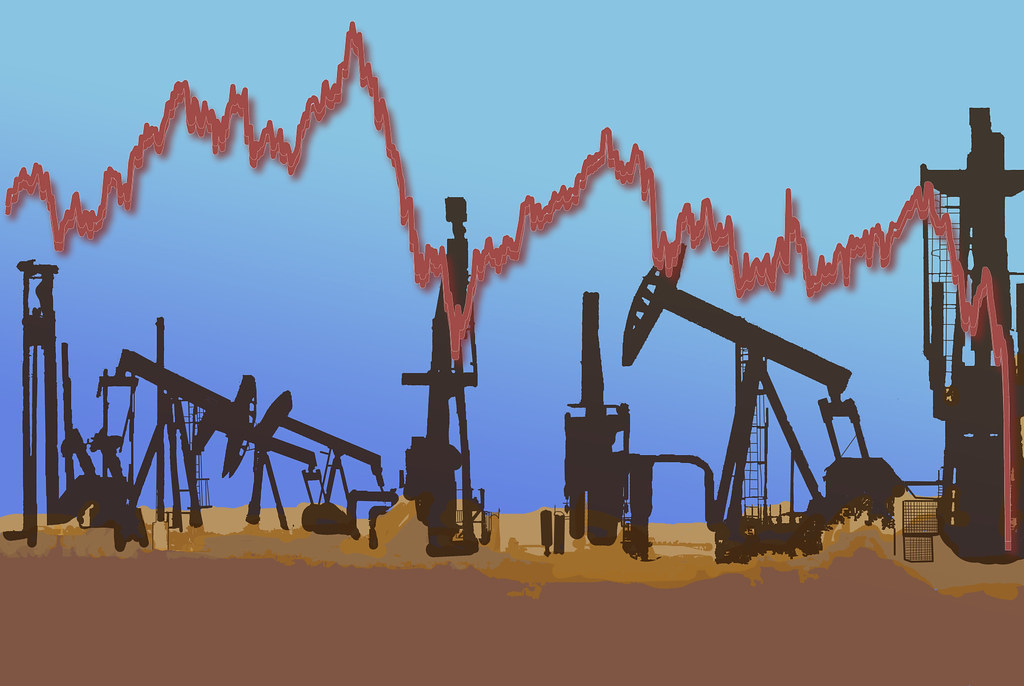
Oil price drop is making headlines as it falls from near six-month highs, influenced by easing supply worries due to Iran mediation efforts.
Understanding the Oil Price Drop
The recent oil price drop has sparked discussions among economists and market analysts about its implications for global markets. As oil prices fell from a near six-month high, several factors contributed to this decline.
- Supply Concerns Eased: Mediation efforts in Iran have alleviated fears regarding supply disruptions, leading to a more stable market outlook.
- Increased Production: OPEC+ countries have ramped up production, contributing to a surplus that has pressured prices downward.
- Global Demand Fluctuations: Economic slowdowns in key markets have raised concerns over future demand, further influencing the oil price drop.
Experts suggest that while lower oil prices can benefit consumers through reduced fuel costs, they may pose challenges for oil-dependent economies. Countries reliant on oil revenues could face budgetary pressures, potentially leading to economic instability. Thus, the effects of the recent oil price drop are multifaceted, impacting various markets and sectors worldwide.
Factors Behind the Recent Decline
The recent decline in oil prices can be attributed to several key factors that have shaken investor confidence and altered market dynamics. As supply concerns ease, the oil price drop has been influenced by geopolitical developments and economic forecasts.
- Iran Mediation Efforts: Diplomatic efforts involving Iran have contributed to a perceived stabilization in supply, alleviating fears of potential disruptions.
- Global Economic Slowdown: Warnings of a slowing global economy have led to reduced demand forecasts, further pressuring prices downward.
- Increased Production: OPEC members have ramped up production levels, leading to an oversupply situation that weighs heavily on market prices.
- Strengthening Dollar: A stronger U.S. dollar makes oil more expensive for foreign buyers, diminishing global demand.
These factors collectively contribute to the complex landscape of oil trading, underscoring the volatility in the market and the potential for further fluctuations in the near future.
Iran’s Role in Oil Supply
The recent oil price drop can be significantly attributed to Iran’s actions and its influence on global supply dynamics. As negotiations continue to ease tensions, Iran has signaled its willingness to increase oil production, which could lead to a further influx of crude oil in the market.
Analysts suggest that the potential stabilization of Iran’s oil output will likely affect global prices in the coming weeks. This shift comes at a time when many countries are grappling with fluctuating demand and economic uncertainties. Key aspects of Iran’s role include:
- Increased Production: Iran is poised to ramp up its oil output as sanctions ease, contributing to a more stable supply.
- Market Reactions: Traders are adjusting their strategies based on anticipated changes in supply from Iran, leading to price volatility.
- Geopolitical Factors: Iran’s relations with other oil-producing nations can further influence market sentiment and pricing trends.
Overall, Iran’s involvement is proving to be a critical factor in understanding the factors behind the oil price drop.
Market Reactions to Oil Prices
The recent oil price drop has sent ripples through global markets, prompting reactions from various sectors. Investors are closely monitoring how this decline affects inflation rates and consumer spending.
In the energy sector, analysts expect a mixed response. Some companies may benefit from lower production costs, while others reliant on higher oil prices could face challenges. Economic experts outline several key reactions:
- Stock Markets: Major indices have shown volatility, with energy stocks often underperforming as oil prices decrease.
- Consumer Goods: A drop in oil prices may lead to lower transportation costs, potentially resulting in decreased prices for consumer goods.
- Currency Fluctuations: Oil-exporting nations might experience a decline in currency value, affecting trade balances and investment flows.
Overall, while the oil price drop alleviates some economic pressures, it raises concerns about long-term sustainability for various markets.
Future Predictions for Oil Markets
As the oil price drop continues to influence global markets, analysts are making predictions about the future trajectory of oil prices. With current geopolitical tensions easing, particularly regarding Iran’s mediation efforts, many expect a stabilization in supply that could lead to a gradual recovery in prices.
Several factors will play a crucial role in shaping the oil market in the coming months:
- Global Demand: The ongoing recovery from the pandemic may drive increased demand, particularly in emerging markets.
- OPEC Decisions: The Organization of the Petroleum Exporting Countries (OPEC) will likely adjust production levels based on current market conditions.
- Alternative Energy Sources: The rise of renewable energy may dampen long-term oil demand, influencing prices.
Ultimately, while the oil price drop presents challenges, it also opens opportunities for transformative shifts in energy consumption and production strategies worldwide.
Impact on Indian Economy
The recent oil price drop has significant implications for the Indian economy, which is heavily reliant on oil imports. As crude oil prices decline, the cost of petroleum products is expected to follow suit, potentially providing relief to consumers and businesses alike.
One of the immediate benefits of lower oil prices is the reduction in inflationary pressures. With cheaper fuel, transportation costs may decrease, helping to stabilize prices across various sectors. This could lead to increased consumer spending, as households are left with more disposable income.
Additionally, the Indian government could see a positive impact on its fiscal health. Lower oil prices may reduce the subsidy burden on the exchequer, allowing for better allocation of resources towards infrastructure and social welfare programs.
However, it is essential to monitor the potential risks associated with fluctuating oil prices, including the impact on domestic oil producers and the overall balance of trade.
Investor Strategies Amidst Fluctuations
As the oil price drop continues to capture headlines, investors are reassessing their strategies to adapt to the fluctuating market. With the recent decline caused by various geopolitical factors, including Iran’s mediation efforts to stabilize supply, many are seeking opportunities that may arise from this volatility.
Experts suggest several key strategies for investors during this period:
- Diversification: Spreading investments across different sectors can help mitigate risks associated with falling oil prices.
- Focus on Energy Alternatives: Investing in renewable energy sources may yield significant long-term benefits as the world shifts away from fossil fuels.
- Monitoring Global Trends: Keeping an eye on global market reactions can provide insights on when to enter or exit positions related to oil stocks.
- Hedging Strategies: Utilizing options and futures contracts can shield portfolios from further oil price drop impacts.
By staying informed and adaptable, investors can navigate the complexities of the current oil market landscape.
Comparative Analysis of Oil Trends
The recent oil price drop has prompted analysts to compare current trends with historical data, revealing significant shifts in market dynamics. Key factors contributing to this trend include:
- Supply Adjustments: The easing of supply worries, particularly due to diplomatic efforts involving Iran, has influenced prices significantly.
- Demand Fluctuations: Global demand remains inconsistent, affected by factors such as economic growth rates and seasonal changes.
- Geopolitical Tensions: Ongoing conflicts and negotiations impact investor sentiment and market stability.
Comparative analysis indicates that the current oil price drop mirrors previous downturns, though the market’s response has been more volatile. Investors are closely monitoring these trends, as shifts in oil prices can have cascading effects across various sectors. The correlation between oil prices and inflation rates, for instance, remains a crucial point of analysis. As the situation evolves, the interplay of these factors will determine the long-term implications for global markets and economic health.
By petra.wessman via Openverse
Sources
Related stories
Series A funding: Best Proven Strategies for Startups · RBL Bank asset base: Proven merger boosts growth by ₹11K cr · Asian shares cautious start: Is it the right time to invest?