
 Daisy Mae Cooper
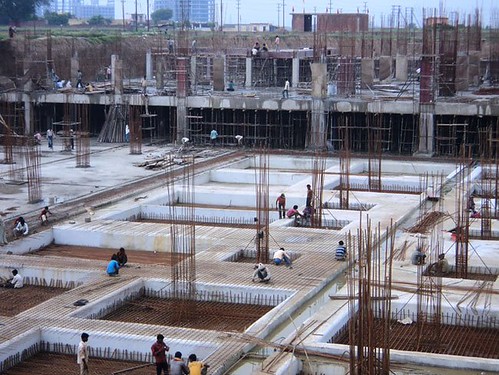
India infrastructure investment is essential for the country’s economic development. However, it needs better capital to truly thrive and meet the growing demands of the logistics sector.
Current State of India’s Infrastructure
The current state of India’s infrastructure is a crucial element in its economic growth trajectory. Despite significant advancements in recent years, the nation continues to face challenges that hinder optimal development. Key areas requiring attention include:
- Transportation: Many cities struggle with traffic congestion and inadequate public transport systems.
- Energy: A reliable and sustainable energy supply is essential for industrial growth and meeting the needs of a growing population.
- Urban Development: Rapid urbanization has led to a pressing need for housing and sanitation facilities.
- Digital Infrastructure: The digital divide remains a concern, with rural areas lagging in internet access and connectivity.
Investment in these sectors is vital for enhancing the quality of life and boosting economic productivity. As discussions surrounding India infrastructure investment gain momentum, stakeholders must prioritize effective capital allocation to address these pressing issues. Only through comprehensive planning and execution can India realize its full potential.
Challenges in Infrastructure Investment
Despite the significant potential for growth, India infrastructure investment faces several challenges that must be addressed to unlock its full value. The following obstacles hinder progress:
- Financing Issues: Limited access to capital for infrastructure projects often deters private investors, leading to delays and incomplete initiatives.
- Bureaucratic Hurdles: Complex regulatory frameworks and lengthy approval processes can stall projects, causing cost overruns and reduced investor confidence.
- Land Acquisition Problems: Securing land for infrastructure development remains a major challenge, often facing opposition from local communities.
- Quality and Standards: Ensuring high-quality construction and adherence to safety standards is critical but frequently overlooked, resulting in subpar infrastructure.
- Political Instability: Changes in government policies can lead to uncertainty, making investors hesitant to commit to long-term projects.
Addressing these challenges is vital to enhancing India infrastructure investment and fostering sustainable economic growth.
The Role of Private Capital
The role of private capital in India’s infrastructure investment is increasingly vital for sustainable growth. With government budgets under pressure, private sector involvement offers a unique solution to bridge the funding gap. Private investments can infuse necessary capital, enhance efficiency, and foster innovation in infrastructure projects.
Key advantages of private capital include:
- Increased Efficiency: Private companies often bring operational expertise that can lead to cost reductions and improved project timelines.
- Access to Technology: Private capital can facilitate the introduction of advanced technologies that enhance infrastructure quality and sustainability.
- Risk Sharing: Collaborations between the public and private sectors allow for better risk management, protecting public funds and ensuring project viability.
Additionally, creating a supportive regulatory environment will encourage even more private sector participation, which is crucial for realizing India’s ambitious infrastructure goals and ultimately driving economic growth.
Government Initiatives for Better Funding
The Indian government has implemented several initiatives aimed at enhancing infrastructure investment, recognizing its crucial role in economic growth. These initiatives seek to attract both domestic and foreign capital, thus strengthening the country’s infrastructure framework.
One significant program is the National Infrastructure Pipeline (NIP), which outlines projects worth over USD 1.4 trillion across various sectors, including transport, energy, and urban development. By prioritizing these projects, the government aims to create a more conducive environment for investors.
Additionally, the introduction of the Asset Monetization Program allows the government to leverage existing assets to fund new infrastructure projects. This strategy not only optimizes resource allocation but also encourages the participation of private entities in infrastructure development.
Furthermore, the establishment of the National Investment and Infrastructure Fund (NIIF) provides a platform for investment in large-scale infrastructure projects, thereby facilitating better funding mechanisms and enhancing the prospects of India’s infrastructure investment.
Future Prospects for Logistics in India
The future of logistics in India appears promising, primarily driven by robust infrastructure investment. As the nation seeks to enhance its connectivity and reduce transit times, several initiatives are unfolding to shape the logistics landscape.
Key areas of focus include:
- Technological Integration: The adoption of advanced technologies such as AI and blockchain is expected to revolutionize supply chain management, leading to greater efficiency.
- Multi-modal Transport: Developing a seamless multi-modal transport system will facilitate smoother goods movement and reduce costs, making logistics more competitive.
- Investment in Warehousing: Increased investment in modern warehousing facilities will further support the growing e-commerce sector and enhance inventory management.
Moreover, with the government’s commitment to infrastructure investment and private sector participation, the logistics sector is poised for transformation. This synergy could boost India’s economic growth and position it as a key player in the global logistics arena.
Overall, the future prospects for logistics in India are bright, backed by strategic infrastructure investments.
Why Infrastructure Investment Matters
Infrastructure investment is crucial for driving economic growth and improving the quality of life in India. As the country strives to become a global economic powerhouse, the need for robust infrastructure becomes increasingly evident. An investment in infrastructure not only enhances connectivity but also stimulates job creation and boosts productivity.
Key reasons why infrastructure investment matters include:
- Economic Growth: Improved infrastructure facilitates trade and attracts foreign investment, leading to increased GDP.
- Job Creation: Infrastructure projects generate employment opportunities, which can uplift communities and reduce poverty.
- Quality of Life: Better roads, public transport, and utilities enhance daily living conditions for citizens.
- Sustainability: Modern infrastructure can be designed to be eco-friendly, supporting India’s commitment to sustainable development.
In summary, prioritizing India infrastructure investment is essential for ensuring long-term growth and development, making it a central focus for policymakers and stakeholders alike.
India infrastructure investment is crucial for boosting economic development and attracting foreign capital. With strategic planning and execution, India infrastructure investment can pave the way for sustainable growth and improved living standards.
By Earth Infrastructures via Openverse
