
 Daisy Mae Cooper
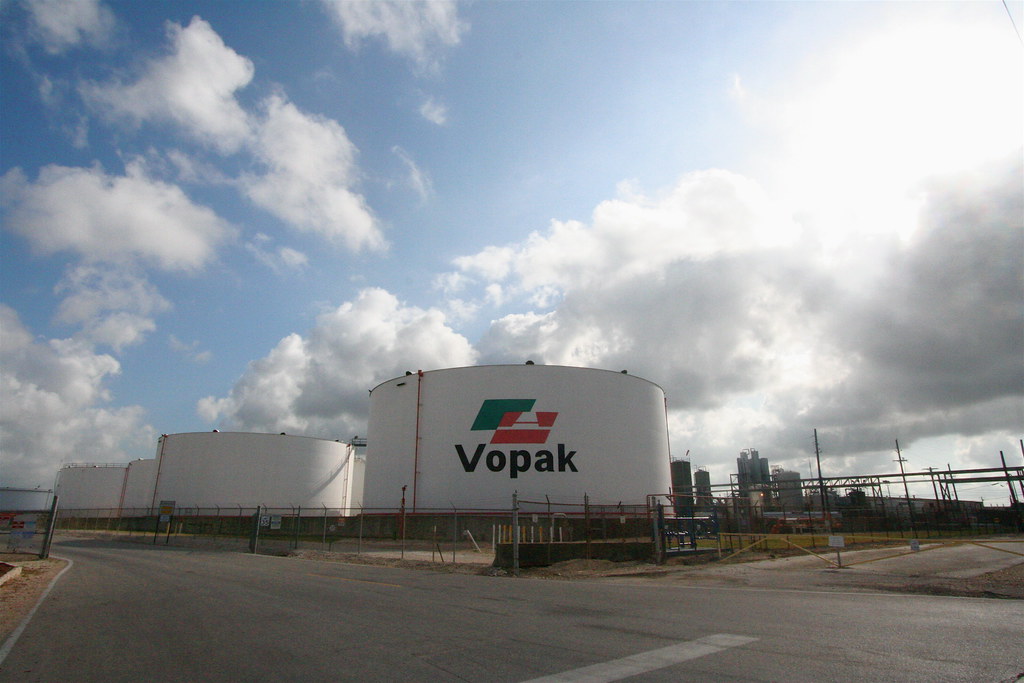
India crude oil imports hit a record high in October, reflecting the country’s growing energy needs and reliance on foreign suppliers. West Asia and Russia continue to be the primary sources for these imports, highlighting significant market trends.
Current Trends in India’s Oil Imports
India’s crude oil imports have surged to a record high in October, reflecting a significant increase in demand as the economy continues its recovery. This upward trend in imports is primarily driven by a combination of factors, including rising domestic consumption and fluctuating global oil prices.
In October, India imported approximately 5.24 million barrels per day, marking an increase of nearly 8% compared to the previous month. The country’s reliance on imported crude oil is evident as it meets about 85% of its total oil needs.
The key suppliers contributing to this surge in crude oil imports include:
- West Asia: A major source, accounting for a significant portion of India’s oil imports.
- Russia: Continues to be a crucial player, with increased volumes shipped to India amid changing geopolitical dynamics.
- United States: An emerging supplier, with growing exports catering to India’s diverse energy requirements.
As global oil prices fluctuate, India is strategically diversifying its sources of crude oil to ensure energy security. The government is actively seeking to strengthen ties with various oil-producing nations, aiming to stabilize supply chains and mitigate the impact of price volatility on the economy. With rising imports, India remains committed to balancing its energy needs while focusing on sustainable development initiatives.
Impact of Global Oil Prices
The recent surge in global oil prices has had a significant impact on India’s crude oil imports, pushing them to unprecedented levels. In October, India recorded its worst record high in crude oil imports, primarily due to escalating demand and constrained supply chains.
Several factors have contributed to this scenario:
- Supply Disruptions: Ongoing geopolitical tensions and conflicts in key oil-producing regions have disrupted supply, leading to increased prices on the global market.
- Increased Demand: As the global economy rebounds post-pandemic, the demand for crude oil has surged, further exacerbating the situation for nations reliant on imports.
- Currency Fluctuations: The depreciation of the Indian Rupee against the US Dollar has made crude oil imports more expensive, adding to the financial burden on the country.
India’s dependence on imports from West Asia and Russia has intensified, as these regions continue to play a crucial role in meeting the country’s energy needs. The rising oil prices have raised concerns regarding inflation and economic stability, prompting the government to explore alternative strategies for energy procurement.
As India navigates this challenging landscape, the focus remains on balancing energy security while managing the implications of higher crude oil imports on the economy.
Key Suppliers for India
As India navigates its record high crude oil imports in October, the country continues to rely heavily on a select group of key suppliers. These nations play a pivotal role in meeting India’s increasing energy demands amidst fluctuating global prices.
West Asia remains the dominant source of crude oil for India, with countries like Saudi Arabia and Iraq consistently contributing significant volumes. In October, shipments from these nations accounted for approximately 60% of India’s total crude oil imports, underscoring their importance in the energy landscape.
In addition to West Asia, Russia has emerged as a crucial supplier, particularly in recent months. The geopolitical shifts and changes in trade patterns have allowed India to secure favorable deals, resulting in a marked increase in Russian oil imports. In October, Russia supplied around 20% of India’s crude oil, a substantial rise from previous years.
Other notable suppliers include the United States and Nigeria, which have also been making inroads into the Indian market. The diversification of suppliers is a strategic move for India, aimed at enhancing energy security and minimizing dependence on any single region.
As India continues to confront its energy needs, the dynamics of these key suppliers will play a critical role in shaping the future of the country’s crude oil imports.
Analysis of October’s Import Data
In October 2023, India experienced a significant surge in crude oil imports, marking a record high that has raised concerns among analysts. This uptick can be attributed to several factors that have shaped the nation’s energy landscape.
One of the primary drivers behind the increase in India crude oil imports is the persistent rise in domestic demand. As the economy continues to recover post-pandemic, industrial activities have ramped up, leading to higher consumption of oil. Additionally, the festive season further contributed to increased demand for energy, with transportation and logistics sectors seeing a spike in activity.
Another key element is the geopolitical scenario in oil-producing regions. The ongoing conflicts and production cuts in various countries have led to an unstable global supply chain. As a result, India has sought to secure its energy needs by sourcing from a diverse range of suppliers, particularly from West Asia and Russia, who have emerged as significant contributors to the country’s crude oil supply.
Despite these challenges, India remains committed to diversifying its energy portfolio and reducing its reliance on any single source. This strategic approach is vital for ensuring energy security in an increasingly volatile market. Analysts will continue to monitor trends closely, as the implications of rising imports could have far-reaching effects on the country’s economy and energy policy.
Future Projections for Crude Oil
Looking ahead, India’s crude oil imports are projected to remain under pressure, driven by a combination of geopolitical tensions, fluctuating global oil prices, and domestic demand growth. Analysts predict that the current trajectory of increasing imports could continue into the next few months as India strives to meet its energy needs.
Several factors will play a pivotal role in shaping future projections:
- Global Demand Recovery: As economies across the world bounce back from the pandemic, the demand for crude oil is expected to surge. India, being one of the largest consumers, will likely see its imports rise to accommodate this increased demand.
- Geopolitical Factors: Ongoing tensions in oil-producing regions could lead to supply disruptions, forcing India to diversify its import sources further. This is particularly relevant given the reliance on West Asia and Russia.
- Domestic Energy Policies: The Indian government is actively working on policies to enhance energy security, which may include investments in renewable energy sources. However, in the short term, the reliance on crude oil imports will persist.
- Currency Fluctuations: The strength of the Indian rupee against the US dollar will also influence the overall cost of imports, affecting India’s crude oil import strategy.
In summary, while immediate trends indicate a record high in imports, the future remains uncertain as various factors will determine the trajectory for India’s crude oil imports.
Economic Implications for India
The surge in India crude oil imports has significant economic implications for the nation. As the country grapples with rising oil prices, the increased dependency on foreign oil can strain its balance of payments and lead to higher inflation rates. The escalating costs of crude oil directly impact transportation and logistics, which in turn affect the prices of essential goods and services.
Moreover, this unprecedented rise in imports is likely to widen the trade deficit, putting pressure on the Indian rupee. A weaker rupee can make imports more expensive, perpetuating a cycle of inflation that could affect consumer purchasing power and economic growth.
Additionally, the reliance on a limited number of suppliers, particularly from West Asia and Russia, raises concerns about energy security. Any geopolitical tensions or disruptions in these regions could have immediate repercussions on supply chains and prices, further complicating India’s energy landscape.
To mitigate these risks, India may need to consider diversifying its energy sources and investing in renewable energy technologies. By reducing dependence on crude oil imports in the long term, India could enhance its energy security and stabilize its economy against global oil market fluctuations.
In conclusion, the economic implications of increased crude oil imports are profound, affecting everything from inflation to energy security, necessitating strategic planning and policy adjustments to ensure sustainable growth.
Comparative Analysis with Previous Months
In a comparative analysis of India’s crude oil imports, October’s figures stand out dramatically against previous months. The country recorded an unprecedented surge in imports, which marks the highest level ever documented. This spike can be contrasted with the import levels observed in the preceding months.
In August, India’s crude oil imports were approximately 4.2 million barrels per day, reflecting a stable demand but not indicative of the explosive growth seen in October. September saw a slight increase to 4.5 million barrels per day, as global prices stabilized, prompting refiners to ramp up purchases. However, October’s record high of 5.2 million barrels per day showcases a significant shift in consumption patterns.
The analysis reveals several factors contributing to this increase:
- Seasonal Demand: With festivals and agricultural activities peaking, there was a noticeable uptick in fuel consumption.
- Strategic Stockpiling: Ahead of anticipated price fluctuations, refiners expedited their imports to build reserves.
- Global Market Dynamics: The market’s volatility has compelled importers to secure supplies promptly.
This comparative overview not only highlights the escalation in India’s crude oil imports but also underscores the challenges and opportunities that lie ahead in managing such high reliance on foreign oil.
Government Policies on Oil Imports
The Indian government has been actively formulating policies to manage the increasing demands for crude oil imports, particularly in light of the recent record highs observed in October. As India continues to rely heavily on foreign oil, the government is focusing on both short-term and long-term strategies to enhance energy security.
One of the primary initiatives includes negotiating long-term contracts with major oil-producing nations. This approach aims to stabilize prices and ensure a steady supply of crude oil to meet India’s growing energy needs. In addition, the government is exploring partnerships with countries like Russia and various nations in West Asia, which have been identified as key suppliers in recent months.
Furthermore, the government is investing in refining capacity and infrastructure improvements to optimize the import process. By upgrading port facilities and enhancing logistical frameworks, India aims to reduce turnaround times and costs associated with crude oil imports.
In parallel, there is a push towards diversifying energy sources by promoting renewable energy and exploring alternative fuels. This dual approach not only seeks to mitigate the impact of fluctuating global prices but also aligns with India’s commitment to reducing carbon emissions.
Ultimately, the effectiveness of these government policies on oil imports will be crucial as India navigates its energy landscape amidst rising global demands and geopolitical uncertainties.
In October, India crude oil imports reached an alarming peak, highlighting the country’s growing energy demands. This surge in India crude oil imports has raised concerns about the impact on the economy and energy security.
By roy.luck via Openverse
Where this came from
Stolen Crypto Recovery: Binance Absorbs Losses with 90% Replenished · Share India Securities Dividend: Proven Fundraising Strategy · Vedant Poly Fabs IPO: Best Proven Strategy for Investors
