
 Daisy Mae Cooper
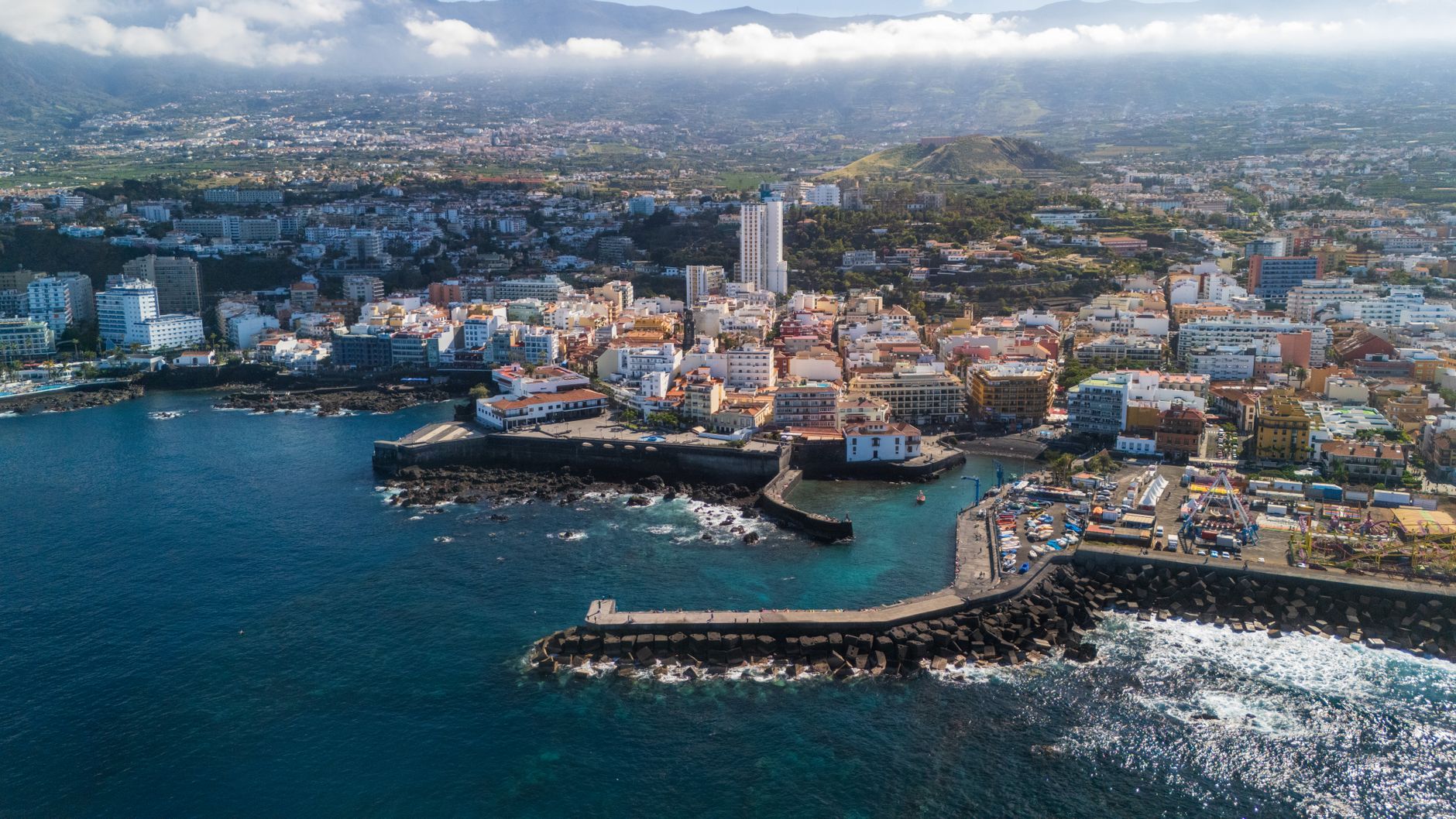
Canary Islands migrant arrivals have reached alarming levels, with 1,488 individuals rescued recently, marking the highest daily count since 2020. This surge raises concerns about migration trends.
Overview of Recent Migrant Arrivals
The Canary Islands have recently experienced a surge in migrant arrivals, marking the worst daily count since 2020. On a single day, authorities rescued a staggering 1,488 individuals attempting to reach the islands, highlighting the ongoing crisis in the region.
As Europe faces increasing pressure to manage migration, the Canary Islands have become a critical entry point for many fleeing conflict and economic hardship. The challenging journey across the Atlantic often involves perilous sea conditions, yet many continue to embark on this dangerous route in search of a better life.
Key factors contributing to this rise in migrant arrivals include:
- Political instability in several North African countries.
- Economic challenges prompting individuals to seek opportunities abroad.
- Increased visibility of humanitarian efforts encouraging more to attempt the crossing.
Local authorities and humanitarian organizations are working tirelessly to provide assistance and support to those arriving in the Canary Islands. The recent spike in migrant arrivals underscores the urgent need for comprehensive solutions to address the complex issues surrounding migration.
Impact on Local Communities
The recent spike in Canary Islands migrant arrivals has raised significant concerns among local communities. As the islands witness the worst daily count of migrants since 2020, residents are feeling the pressure on their resources and infrastructure.
Many community members are expressing their worries about the implications of this influx. Key impacts include:
- Increased strain on local services: Schools, healthcare facilities, and housing have become overwhelmed, leading to heightened tensions among residents.
- Economic challenges: Local businesses are struggling to cope with the increased demand, causing fluctuations in prices and availability of goods.
- Social integration issues: The rapid arrival of migrants has created challenges in fostering community cohesion, with some locals feeling marginalized or threatened.
Community leaders are calling for more support from the Spanish government and international organizations to address the needs of both migrants and local residents. The hope is for a balanced approach that ensures the safety and well-being of all individuals involved.
Government Response to the Crisis
The recent surge in migrant arrivals to the Canary Islands has prompted an urgent response from the Spanish government. In light of the alarming figures, which indicate the worst daily count since 2020, authorities have begun to implement new measures aimed at managing the crisis.
Among the key actions taken by the government are:
- Increased Patrols: The Spanish Coast Guard has intensified its surveillance and rescue operations along the Atlantic routes.
- Emergency Shelters: Temporary facilities are being set up to accommodate the influx of migrants, ensuring their immediate needs are met.
- International Cooperation: Spain is seeking assistance from other European nations to address the ongoing situation and share the burden of support.
- Legal Assistance: The government is working to provide legal resources for migrants to navigate their status and rights within the country.
These measures highlight the urgent need to address the challenges posed by the rising numbers of migrant arrivals, with the Canary Islands serving as a critical entry point for those seeking refuge in Europe.
Comparative Analysis with Previous Years
The recent spike in Canary Islands migrant arrivals has raised alarm bells, marking the worst daily count since 2020. To understand the gravity of the situation, it is crucial to compare the current numbers with those from previous years.
In 2020, the Canary Islands experienced significant challenges, with migrants arriving in unprecedented numbers amidst the COVID-19 pandemic. The daily average then was approximately 600, influenced by heightened conflicts in various regions. However, as the situation stabilized in 2021, the numbers decreased to around 200 daily, providing a brief respite for local authorities and communities.
Fast forward to 2022, arrivals surged again but remained manageable. The average daily count hovered around 300, attributed to ongoing crises in North Africa and the Middle East. This year, however, the situation has escalated dramatically, with 1,488 migrants rescued in a single day, highlighting a worrying trend.
Experts indicate that this increase may be linked to worsening conditions in migrants’ home countries and a surge in desperation, prompting dangerous journeys across treacherous waters.
Challenges Faced by Rescuers
The recent surge in Canary Islands migrant arrivals has placed immense pressure on rescuers and humanitarian organizations, who are facing a multitude of challenges. With the highest daily count of migrants rescued since 2020, the demand for resources has escalated rapidly.
One of the primary challenges is the sheer volume of individuals arriving, which has overwhelmed local facilities. Many rescue boats are reaching capacity, forcing rescuers to make difficult decisions regarding whom to assist first. Additionally, the adverse weather conditions in the Atlantic have complicated rescue operations, posing further risks to both migrants and rescuers alike.
Moreover, the ongoing strain on medical and social services is evident. Host facilities are struggling to provide adequate shelter, food, and medical care, leading to concerns about the health and safety of those being rescued. The influx has also sparked logistical issues, as organizations scramble to find resources and personnel to handle the growing number of arrivals.
As the situation continues to evolve, the commitment and resilience of rescuers will be crucial in addressing the immediate needs of migrants while navigating the complexities of this humanitarian crisis.
Future Projections for Migration Trends
As the situation surrounding Canary Islands migrant arrivals continues to evolve, experts are forecasting several potential trends that could shape the region’s future. Analysts predict that if current conditions persist, the number of migrants attempting to reach the islands may increase due to a combination of factors, including ongoing conflicts, economic instability, and climate change.
In light of the recent spike in arrivals, it is anticipated that:
- Increased Migration Routes: Smugglers may adapt to law enforcement efforts, leading to new, more dangerous routes.
- International Response: Countries may enhance cooperation to manage migration flows and share responsibility for asylum seekers.
- Local Resource Strain: Continued high numbers of arrivals could further strain local resources, impacting health services and housing.
Furthermore, the rise in arrivals has prompted discussions about long-term strategies for integration and support for migrants, as well as the need for robust humanitarian responses. The future of migration in the Canary Islands remains uncertain, as stakeholders grapple with balancing humanitarian obligations and local needs.
The recent surge in Canary Islands migrant arrivals has raised concerns among local authorities. With the worst daily count since 2020, the situation is becoming increasingly urgent.
Photo by Atlantic Ambience on Pexels
Sources
Related stories
Bitcoin price prediction: Best strategies for year-end gains · SSMD Agrotech results: Clear Insights on H1 FY27 Performance · Ethereum ETF exits: What’s the Real Impact on Prices?
