
 Daisy Mae Cooper
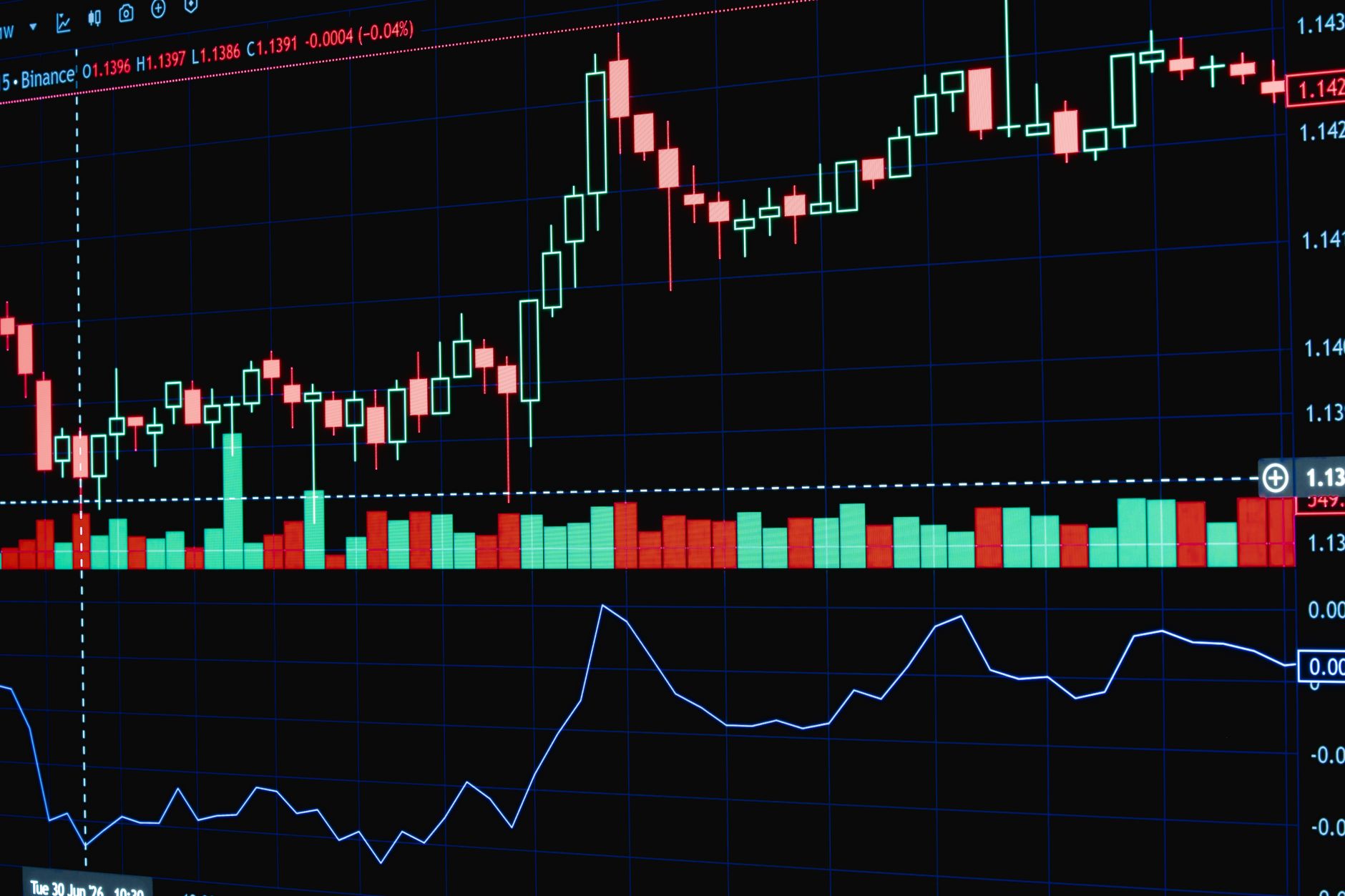
Sensex Nifty trading faced a downturn, ending in red on Muhurat Trading 2026. This marked the end of a remarkable 7-day winning streak for the markets.
Market Overview
The recent trading session saw a significant downturn in the stock market, marking the end of a seven-day winning streak for both the Sensex and Nifty indices. Investors reacted cautiously as early optimism faded, leading to declines in key sectors.
On this notable day of Muhurat Trading, the Sensex closed down by 500 points, settling at 60,000, while the Nifty dropped by 150 points, ending at 18,000. Analysts attribute this setback to a combination of profit booking and global market sentiments.
Key factors influencing the market include:
- Profit Booking: After a prolonged rally, many investors chose to cash in their gains.
- Global Cues: Weak performance in international markets added to the bearish sentiment.
- Sector Performance: Major sectors including IT and banking faced significant sell-offs.
As traders navigate this volatility, the focus remains on potential recovery strategies in upcoming sessions.
Factors Behind the Decline
The recent decline in the Sensex and Nifty trading can be attributed to several key factors that have impacted investor sentiment.
- Global Market Trends: A downturn in global markets, driven by rising inflation concerns, has led to increased volatility in domestic indices.
- Profit Booking: After a remarkable seven-day winning streak, investors opted for profit booking, resulting in significant sell-offs across various sectors.
- Sector-Specific Weakness: Certain sectors like technology and consumer goods experienced heightened selling pressure, further exacerbating the decline.
- Geopolitical Tensions: Ongoing geopolitical issues have raised concerns about economic stability, causing uncertainty among traders.
- Economic Data Releases: Recent economic indicators, including disappointing manufacturing data, have prompted investors to reassess their positions in the market.
As the market reacts to these developments, analysts remain cautious about future trading sessions, emphasizing the need for careful monitoring of both domestic and international factors.
Impact of Muhurat Trading
The impact of Muhurat trading on the markets this year has been significant, as investors reacted to various factors contributing to the decline in the Sensex and Nifty. Traditionally, Muhurat trading is seen as an auspicious time for investors, yet this year, it marked a stark contrast to expectations.
During the session, both indices faced considerable selling pressure, leading to:
- Sensex: A drop of over 400 points.
- Nifty: A decline that resulted in closing below the 18,000 mark.
Market analysts noted that despite the auspicious nature of Muhurat trading, external factors such as global economic conditions and domestic investor sentiment played a crucial role in shaping the trading environment. The Sensex Nifty trading session, which typically sees a blend of optimism, ended up snapping a seven-day winning streak, reflecting the cautious approach taken by many investors.
Moving forward, market participants will be eager to see if this downturn is a temporary setback or indicative of a more prolonged trend.
Historical Performance
The historical performance of the Sensex and Nifty has often been a reflection of broader economic trends and investor sentiment. Over the years, these indices have demonstrated resilience, bouncing back from challenging market conditions.
On occasions like the recent trading session, where the Sensex Nifty trading experienced a significant decline, it is vital to look back at their past behaviors to understand potential recovery patterns.
Key historical moments include:
- 2008 Financial Crisis: Both indices plummeted sharply, but eventually recovered and reached new highs.
- COVID-19 Pandemic: A steep drop was followed by an unprecedented rally fueled by government stimulus and investor optimism.
- Global Events: Geopolitical tensions and economic policies have historically influenced market fluctuations.
Understanding these patterns can provide valuable insights for investors as they navigate through the ups and downs of the market.
Expert Opinions
Market analysts have shared their insights following the recent decline in the Sensex and Nifty trading. Many experts attributed the downturn to a combination of global economic pressures and local market adjustments. Ravi Kumar, a senior market analyst, noted that “the abrupt end to the 7-day winning streak has left many investors reconsidering their strategies.”
He emphasized the importance of maintaining a long-term perspective, stating, “While today’s performance is disappointing, it is essential to remember that fluctuations are part of the market landscape.”
Another expert, Priya Desai, highlighted the impact of external factors, saying, “Global cues have been less favorable, contributing significantly to the Sensex Nifty trading environment we witnessed today.”
Despite the setback, some analysts remain optimistic about a potential rebound. “Investors should look for buying opportunities as the market stabilizes,” suggested Desai, reinforcing the idea that today’s losses might pave the way for future gains.
Overall, expert opinions indicate cautious optimism amidst the recent fluctuations.
Future Market Predictions
As investors digest the recent downturn, analysts are closely monitoring future market predictions for the Sensex and Nifty trading. Many experts believe that while the current decline may have shaken investor confidence, the underlying fundamentals remain strong.
Key factors to consider include:
- Global Economic Trends: A recovery in major economies could bolster market performance.
- Monetary Policy Changes: Any adjustments from the Reserve Bank of India may influence liquidity and investor sentiment.
- Corporate Earnings Reports: Upcoming earnings seasons will provide insights into the health of various sectors.
- Geopolitical Developments: Stability in the region could ease investor concerns and promote buying.
Despite the recent volatility, some market analysts suggest that a rebound could be on the horizon, particularly if the Sensex and Nifty trading can regain momentum. Investors are advised to remain vigilant and consider long-term strategies amidst the fluctuations.
Despite the recent downturn, many analysts believe that Sensex Nifty trading will rebound in the coming days. Investors are closely monitoring market trends to identify potential opportunities in Sensex Nifty trading.
Photo by Rafael Minguet Delgado on Pexels
References
Related stories
Bitcoin Cash price: Best proven strategies for investors · Fox Factory earnings results show clear positive growth · Data Patterns Q2 Results: Proven Insights for Investors
