Daisy Mae Cooper
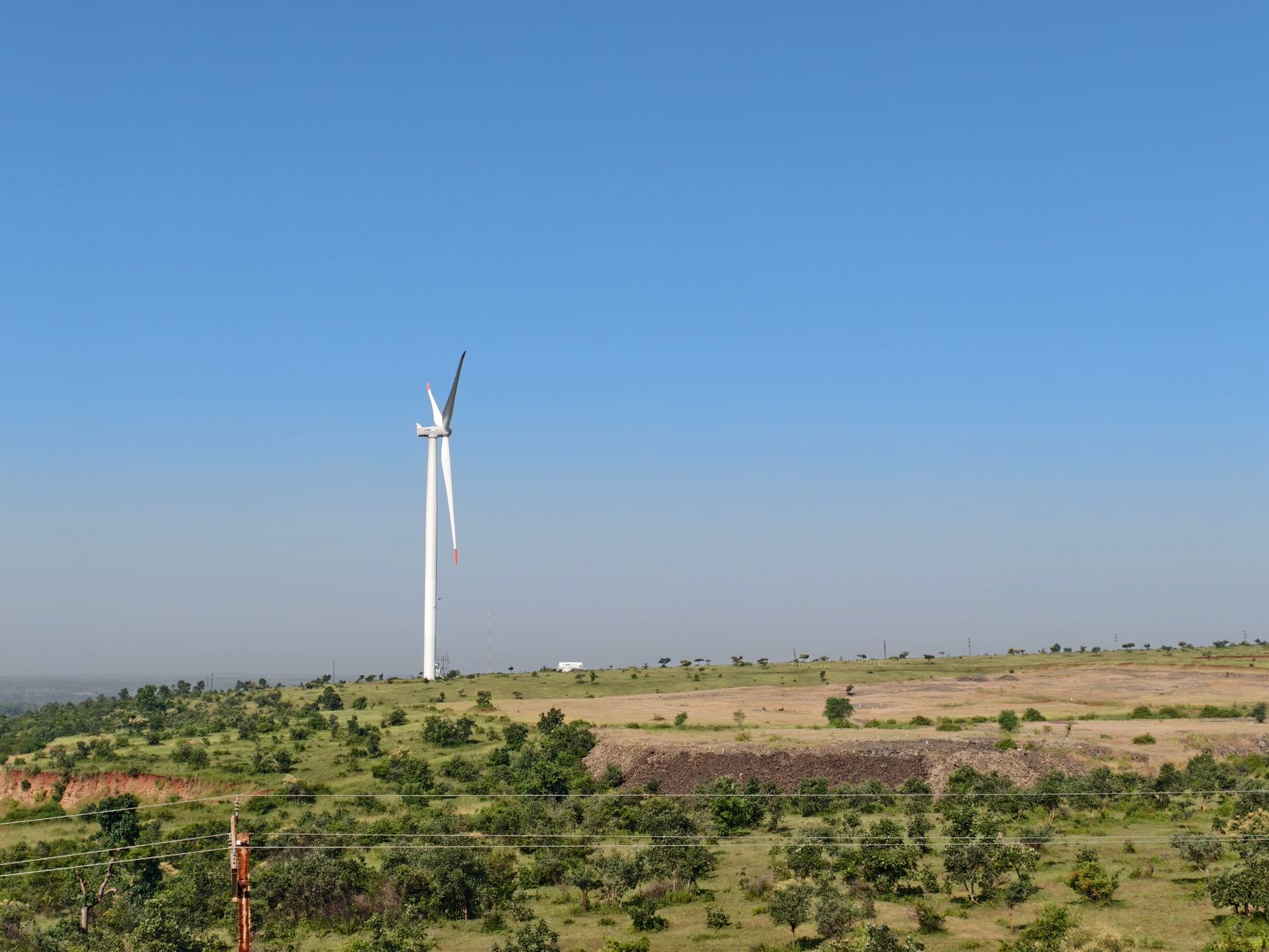
India’s renewable power demand is seeing a significant surge, driven largely by the increasing number of data centers. This trend highlights the growing need for sustainable energy solutions in the country.
Understanding the Role of Data Centers
Data centers are becoming a crucial player in India’s renewable power demand, significantly impacting the energy landscape. As the digital economy expands, the need for data storage and processing has surged, leading to increased electricity consumption. This rise in demand has prompted a shift towards sustainable energy sources.
Several factors contribute to the growing reliance on renewable energy by data centers:
- Environmental Concerns: With the increasing awareness of climate change, companies are motivated to invest in renewable energy to reduce their carbon footprint.
- Government Incentives: The Indian government has introduced various policies and incentives aimed at promoting renewable energy, making it an attractive option for data centers.
- Cost Efficiency: As the cost of renewable energy technologies declines, data centers find it economically viable to switch to solar, wind, and other renewable sources.
By prioritizing renewable energy, data centers not only meet their operational needs but also contribute to a sustainable future for India’s energy sector.
Impact of Renewable Energy on Business
The surge in India’s renewable power demand is reshaping the business landscape, particularly for industries heavily reliant on energy consumption. Companies are increasingly recognizing the value of transitioning to renewable sources, not just for environmental benefits but also for long-term cost savings.
One significant impact of renewable energy on businesses is:
- Operational Efficiency: Utilizing renewable power can reduce operating costs, leading to improved profit margins.
- Corporate Responsibility: Businesses adopting renewable energy demonstrate a commitment to sustainability, enhancing their brand image among environmentally conscious consumers.
- Regulatory Compliance: As government policies increasingly favor renewable energy adoption, businesses that invest early can avoid potential penalties and benefit from incentives.
- Innovation Opportunities: The shift toward renewable energy fosters innovation, as companies explore new technologies and business models to optimize energy use.
As India’s renewable power demand continues to rise, businesses that embrace these changes are likely to thrive in a more sustainable and competitive market.
Challenges in Meeting Energy Demand
As India’s renewable power demand continues to rise, several challenges emerge that could hinder the transition to sustainable energy solutions. One major issue is the intermittency of renewable energy sources like solar and wind. These sources are often dependent on weather conditions, leading to fluctuations in energy supply that can disrupt the power grid.
Additionally, the existing infrastructure may not be equipped to handle the increased load from data centers and other energy-intensive industries. Upgrading the grid and implementing energy storage solutions require significant investment and planning.
Moreover, there are regulatory and policy hurdles that can slow down the adoption of renewable energy technologies. These include inconsistent regulations across states, lack of incentives for businesses to shift to greener alternatives, and limited awareness among consumers.
Lastly, the financial implications of transitioning to renewable energy cannot be overlooked. Investments in new technologies and infrastructure must be weighed against the potential benefits of meeting India’s renewable power demand.
Future Trends in India’s Energy Sector
As India continues to expand its digital infrastructure, the demand for renewable power is expected to grow significantly. This trend is driven by various factors, including increasing energy needs of data centers and a heightened awareness of environmental sustainability. India’s renewable power demand is projected to reach new heights as businesses and consumers alike seek cleaner energy solutions.
Several future trends are emerging in this dynamic landscape:
- Technological Advancements: Innovations in solar and wind energy technologies are making renewable sources more efficient and cost-effective.
- Government Policies: Supportive government initiatives, such as subsidies and incentives, are encouraging investments in renewable energy.
- Corporate Commitments: Many companies are pledging to transition to 100% renewable energy, further driving demand.
- Decentralized Energy Systems: The rise of microgrids and local energy solutions is reshaping energy consumption patterns.
These developments indicate a promising future for India’s energy sector, emphasizing the importance of a sustainable approach to meet the growing renewable power demand.
Government Initiatives for Renewable Growth
The Indian government has been proactive in promoting renewable energy to meet the growing demand, particularly from data centers. Several initiatives have been launched to support the transition towards sustainable energy sources.
- National Solar Mission: Aimed at increasing solar power generation, the mission sets ambitious targets for solar capacity and emphasizes the role of solar energy in India’s renewable power demand.
- Wind Energy Policy: This policy encourages investments in wind energy projects, creating a competitive market for renewable energy generation.
- Green Energy Corridor: To facilitate the integration of renewable energy into the grid, the government is developing infrastructure that supports the efficient transmission of clean energy.
- Subsidies and Incentives: Financial support is provided for renewable energy projects, making it easier for companies to adopt sustainable practices.
These government initiatives not only aim to meet India’s renewable power demand but also contribute to the country’s overall energy security and environmental sustainability.
Photo by Er Amit Patel on Pexels