Daisy Mae Cooper
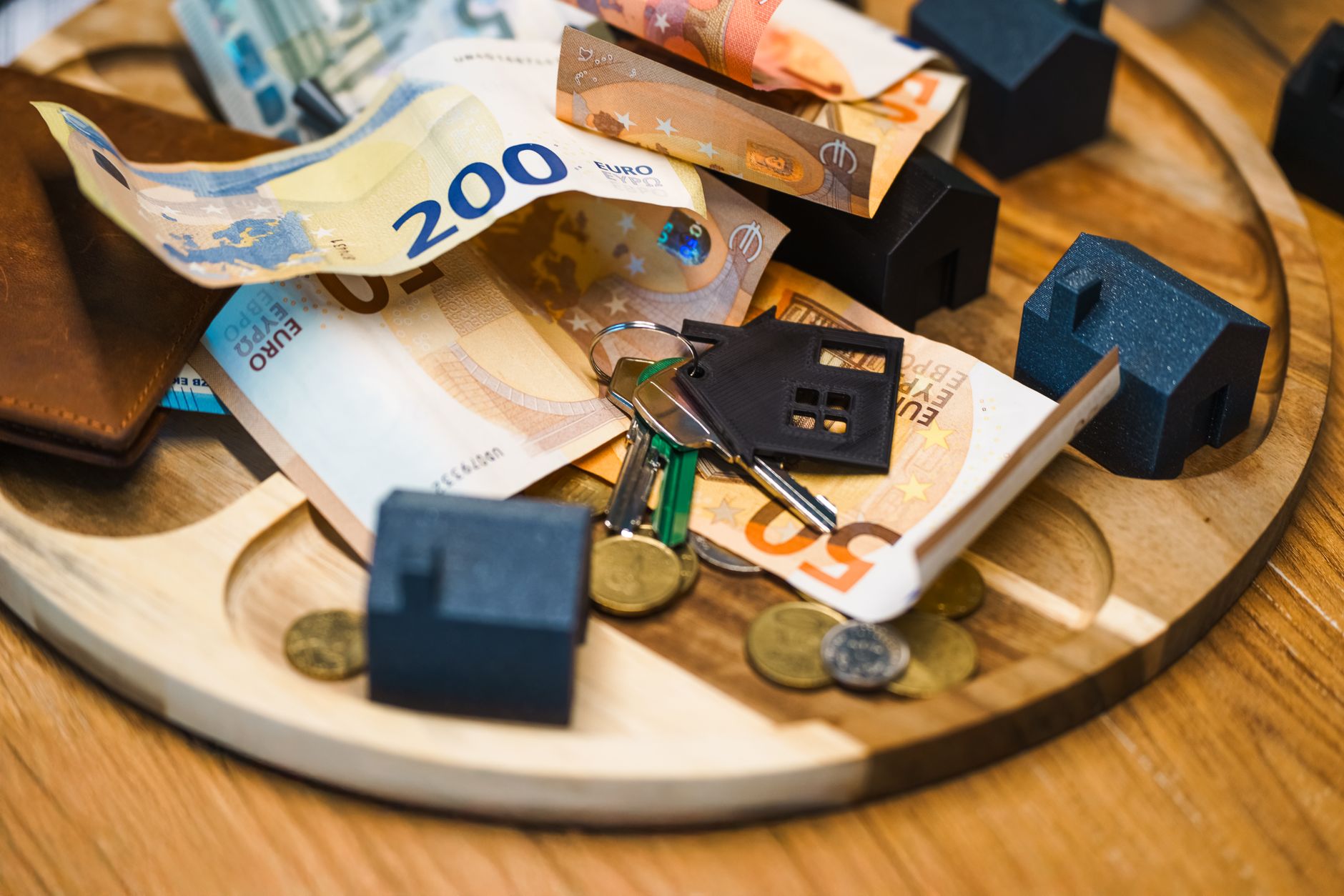
Property taxes rising can significantly affect homeowners’ budgets. As values stagnate, many areas are seeing tax increases that outpace home value growth.
Understanding the Property Tax Landscape
The landscape of property taxes is becoming increasingly complex, with many homeowners facing the challenge of rising costs. As municipalities seek to generate revenue, property taxes rising has become a common issue across various regions.
Several factors contribute to this trend:
- Increased demand for housing: As more people seek homes, property values can rise, leading to higher tax assessments.
- Budget shortfalls: Local governments may increase tax rates to cover budget deficits, further burdening homeowners.
- Inflationary pressures: General inflation can lead to higher operational costs for municipalities, which may be passed on to residents through increased taxes.
Understanding these dynamics is crucial for homeowners looking to navigate the challenges of their local tax systems.
Why Are Property Taxes Rising?
Property taxes are rising for several reasons, impacting homeowners across the country. One significant factor is the increase in home values, which often leads to higher assessments. As property values climb, local governments may raise tax rates to meet budgetary needs.
Additionally, state and local funding for essential services such as education and infrastructure relies heavily on property taxes. This dependency can prompt authorities to increase rates to ensure adequate funding.
Moreover, economic conditions, including inflation and rising costs of living, contribute to the trend of property taxes rising. Homeowners may find themselves facing increased financial burdens as municipalities seek to balance their budgets amid these challenges.
- Increased home values
- Funding for local services
- Inflationary pressures
Impact on Homeowners and Buyers
The rising property taxes are creating a challenging environment for homeowners and potential buyers alike. As local governments increase their tax rates to meet budgetary demands, many residents are feeling the financial strain. This trend particularly affects those on fixed incomes, who may struggle to keep up with increasing payments.
Homebuyers are also impacted, as higher property taxes can lead to increased monthly mortgage payments, making homeownership less affordable. Some key effects include:
- Decreased affordability: Rising property taxes can push some homes out of reach for first-time buyers.
- Market stagnation: Existing homeowners may hesitate to sell, fearing they cannot find a suitable replacement without incurring higher taxes.
- Increased financial burden: Homeowners may need to cut back on other expenses to accommodate rising property taxes.
As property taxes continue to rise, the challenges facing homeowners and buyers will likely intensify.
Strategies to Manage Rising Taxes
As property taxes rising continue to strain homeowners, implementing effective strategies can help mitigate their impact. Here are some key approaches to manage increasing tax burdens:
- Stay Informed: Regularly review local tax assessments and understand how property values are determined.
- Challenge Assessments: If you believe your property is overvalued, consider filing an appeal with your local tax authority.
- Explore Exemptions: Research available exemptions or tax relief programs that may apply to your situation.
- Budget Wisely: Factor potential tax increases into your long-term financial planning, ensuring you have funds set aside.
- Engage with Local Officials: Participate in community meetings to voice concerns and advocate for fair taxation practices.
Many homeowners are feeling the financial strain as property taxes rising continue to outpace wage growth. This trend of property taxes rising has led to increased concerns about affordability and long-term homeownership stability.
Photo by Jakub Zerdzicki on Pexels