
 Daisy Mae Cooper
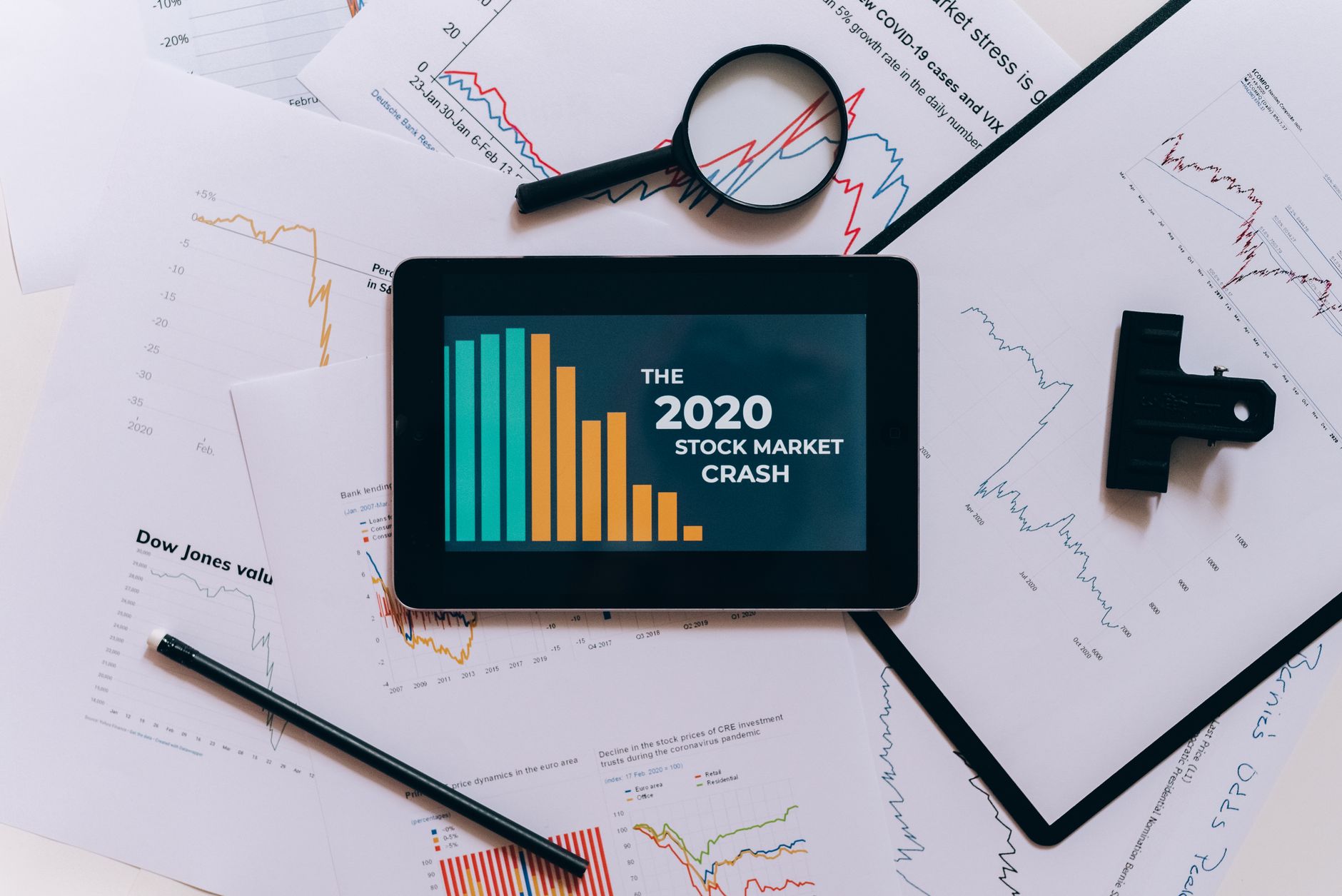
Sensex market decline has been significant, with a drop of 548 points today. This decline reflects broader issues impacting IT, FMCG, and financial stocks.
Understanding the Sensex decline
The recent Sensex market decline has raised concerns among investors and analysts alike, as the index fell by 548 points, closing below significant support levels. This decline can be attributed to a combination of factors affecting various sectors, particularly IT, FMCG, and financial stocks.
Market analysts have noted that:
- Global Economic Concerns: Ongoing international economic uncertainties have led to decreased investor confidence.
- Sector Performance: The IT sector faced headwinds due to rising costs and reduced demand, while FMCG companies struggled with inflationary pressures.
- Financial Sector Struggles: Banks and financial institutions have reported disappointing quarterly results, further dampening market sentiment.
As the market grapples with these challenges, investors are advised to stay informed and consider the long-term implications of the Sensex market decline. While short-term volatility can be alarming, it is essential to look at the broader economic landscape and potential recovery indicators.
Factors contributing to market drops
The recent Sensex market decline has raised concerns among investors and analysts alike. Several factors have contributed to this downturn, reflecting both domestic and global influences on the stock market.
- Global Economic Uncertainty: Ongoing geopolitical tensions and fluctuating oil prices have led to a cautious outlook among investors worldwide.
- Rising Inflation: Elevated inflation rates have prompted central banks to consider tightening monetary policies, which can dampen economic growth and investor sentiment.
- Sector-Specific Weakness: Key sectors such as IT, FMCG, and financial services have seen significant declines, dragging down the overall index. Companies in these sectors have reported lower-than-expected earnings, leading to a sell-off.
- Market Sentiment: Investor confidence has been affected by recent fluctuations, prompting many to reassess their portfolios and move towards safer assets.
As these factors continue to evolve, the Sensex market decline may have lasting implications for both short-term traders and long-term investors.
Impact on IT and FMCG sectors
The recent Sensex market decline has raised significant concerns regarding its impact on various sectors, particularly Information Technology (IT) and Fast-Moving Consumer Goods (FMCG). Investors are closely monitoring how these sectors will navigate the turbulent market conditions.
In the IT sector, analysts suggest that the decline may lead to reduced spending on technology services as businesses adopt a more cautious approach to their budgets. This could result in:
- Delayed project rollouts
- Increased pressure on profit margins
- Potential layoffs if companies face sustained revenue declines
Meanwhile, the FMCG sector, known for its resilience, is not entirely immune to the market decline. Consumer sentiment often shifts during economic uncertainties, which may lead to:
- A decrease in discretionary spending
- Stricter inventory management by retailers
- Heightened competition and pricing pressures among brands
Overall, both sectors are at a critical juncture, and their performance in the upcoming quarters will be pivotal in determining the broader market recovery.
Financial stocks under pressure
The recent Sensex market decline has put considerable pressure on financial stocks, with several major banks and financial institutions witnessing significant sell-offs. Investors are increasingly apprehensive about the overall economic outlook, causing a ripple effect across the sector.
Several factors contribute to this situation:
- Rising interest rates: As central banks continue to raise interest rates to combat inflation, borrowing costs for consumers and businesses are increasing, which may lead to lower loan demand.
- Weakening consumer sentiment: A decline in consumer spending can negatively impact banks’ profitability, as they rely heavily on consumer loans for revenue.
- Regulatory challenges: Stricter regulations are being enforced in the financial sector, creating uncertainty among investors.
Market analysts suggest that unless there is a significant turnaround in economic indicators, financial stocks may continue to struggle in the wake of the Sensex market decline. This ongoing pressure highlights the need for investors to reassess their portfolios in light of current market dynamics.
Market predictions for the coming week
Market analysts are closely watching the Sensex market decline as they prepare predictions for the coming week. With the recent drop of 548 points, many are questioning the potential for recovery and the factors that may influence the market in the short term.
Experts suggest that the following elements will play a crucial role:
- Global Economic Indicators: Fluctuations in international markets, particularly in the U.S. and Europe, could sway investor confidence.
- Monetary Policy Decisions: Announcements from central banks about interest rates may impact liquidity and spending.
- Corporate Earnings Reports: Upcoming earnings disclosures will provide insights into the health of key sectors, potentially affecting stock prices.
- Geopolitical Tensions: Ongoing conflicts and international relations will likely remain a significant factor in market stability.
As investors navigate the uncertainty, it will be essential to monitor these developments closely to understand the implications of the ongoing Sensex market decline.
Expert opinions on current trends
As the Sensex market decline continues to make headlines, experts are weighing in on the potential ramifications for investors and the broader economy. Financial analysts have expressed concerns regarding the sustainability of the current market trends.
- Market Volatility: According to Dr. Anjali Rao, a senior economist, the increased volatility in the market is a sign of underlying economic uncertainties. “Investors should be cautious during these turbulent times,” she advised.
- Sector-Specific Impacts: Mr. Vikram Desai, a market strategist, pointed out that the decline in the Sensex is particularly affecting sectors like IT and FMCG. “These industries are facing unique challenges that could lead to further declines,” he noted.
- Long-Term Outlook: Ms. Priya Menon, a financial advisor, remained optimistic about recovery. She suggested that this Sensex market decline could present buying opportunities for long-term investors. “Patience and strategic investments will be key,” she stated.
Overall, the expert consensus indicates a complex landscape ahead, where informed decision-making will be essential for navigating the ongoing market challenges.
Historical context of market declines
The history of the Sensex market decline reveals a pattern of volatility that is often influenced by both domestic and global factors. Over the last two decades, the Indian stock market has witnessed several significant downturns, often triggered by economic crises, geopolitical tensions, or shifts in government policies. For instance, the 2008 financial crisis led to a dramatic drop in stock prices, affecting investor confidence for years to come.
In more recent times, the COVID-19 pandemic caused an unprecedented decline, with the Sensex plunging to a multi-year low. This decline was marked by panic selling and a sharp contraction in economic activity. However, history shows that markets are resilient and tend to recover over time, albeit with varying degrees of speed and strength.
The current Sensex market decline is reminiscent of these past events, as it reflects not only the immediate pressures faced by key sectors like IT and FMCG but also broader economic uncertainties. Understanding this historical context is crucial for investors looking to navigate the turbulent waters of the stock market.
How to navigate market volatility
Market volatility can be unsettling for investors, especially in light of the recent Sensex market decline. However, there are strategies to navigate these turbulent times effectively.
Firstly, it is essential to diversify your portfolio. By spreading investments across different sectors and asset classes, investors can mitigate risks associated with specific market downturns.
Secondly, maintaining a long-term perspective is crucial. Market fluctuations are a natural part of investing, and a focus on long-term goals can help investors avoid making impulsive decisions based on short-term volatility.
Additionally, consider regularly reviewing your investments. Keeping an eye on market trends and economic indicators can provide insights into when to buy or sell assets, allowing for more informed decisions.
Lastly, consulting with a financial advisor can offer personalized strategies tailored to individual risk tolerance and investment goals. As the market continues to face challenges, informed approaches can help investors navigate the complexities of a declining Sensex and position themselves for potential recovery.
Photo by Leeloo The First on Pexels
References
You might also like
GST Show-Cause Notices: What Are the Best Rules to Follow? · Bitcoin Interest Rate Hikes: What’s the Real Impact? · PFX Q3 2026 earnings: Worst EPS Miss Yet, 365% Above Estimates
