Daisy Mae Cooper
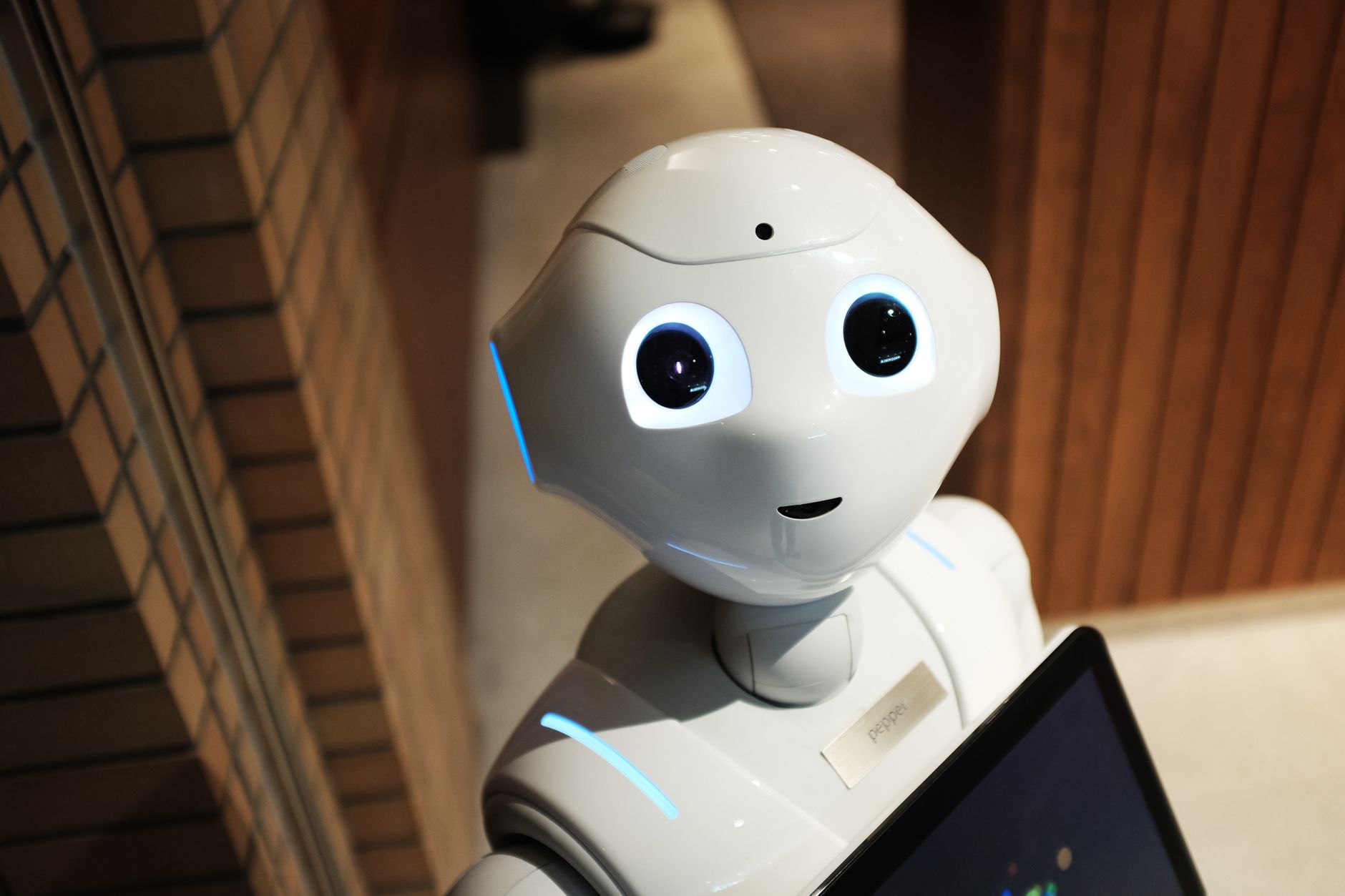
AI workweeks for Americans are on the horizon, according to billionaire Jeff Bezos. He believes that advancements in artificial intelligence could lead to shorter workweeks, enhancing both productivity and employee satisfaction.
How AI is Changing Work
Artificial intelligence is revolutionizing the traditional work model in ways previously thought impossible. With advancements in AI technology, there is a growing discussion around the potential for AI workweeks for Americans, allowing for more flexible and efficient work schedules.
Billionaire Jeff Bezos recently highlighted the possibility of implementing three-day workweeks. This shift could lead to increased productivity and improved work-life balance for many employees.
Some key points regarding how AI is changing work include:
- Increased automation: Routine tasks are being handled by AI, freeing up time for more strategic work.
- Enhanced decision-making: AI tools provide insights that help workers make informed choices quickly.
- Flexible schedules: AI systems can optimize workflows, allowing for a reduction in traditional work hours.
As AI continues to evolve, the future of work may look drastically different, paving the way for more innovative workweeks.
The Benefits of a 3-Day Workweek
As discussions around AI workweeks for Americans gain momentum, many experts highlight the potential advantages of a 3-day workweek. This innovative approach can lead to significant improvements in both productivity and employee well-being.
Some of the key benefits include:
- Increased Productivity: With fewer days in the office, employees may focus more on their tasks, leading to higher output and efficiency.
- Improved Work-Life Balance: A shorter workweek allows for more personal time, reducing stress and promoting overall mental health.
- Attracting Talent: Companies offering flexible work schedules may find it easier to attract and retain top talent in a competitive job market.
- Reduced Commuting Time: Fewer workdays mean less time spent commuting, which can further enhance quality of life.
Ultimately, AI workweeks for Americans could redefine the standard work model and create a more sustainable future.
Challenges of Implementing AI Workweeks
While the prospect of AI workweeks for Americans presents exciting opportunities, there are several challenges to consider.
One significant hurdle is the technological gap between industries. Many businesses, particularly small and medium-sized enterprises, may lack the resources to implement advanced AI systems effectively.
Additionally, there are concerns about job displacement. As AI takes over routine tasks, workers may face uncertainty regarding their roles and job security.
Workplace culture is another aspect that could be affected. Companies must ensure that the transition to a shorter workweek does not hinder collaboration and team dynamics.
Finally, regulatory frameworks need to catch up to these technological advancements. Policymakers must address labor laws and ensure fair treatment of employees as AI becomes more integrated into the workforce.
These challenges require careful planning and consideration to realize the full potential of AI workweeks for Americans.
Insights from Business Leaders
In recent discussions, various business leaders have weighed in on the potential of AI workweeks for Americans. Billionaire Jeff Bezos highlighted that advancements in artificial intelligence could pave the way for a more balanced work-life dynamic. He emphasized that with AI handling routine tasks, employees could focus on more meaningful work, potentially leading to a shorter workweek.
Other executives echoed similar sentiments, noting the following benefits:
- Increased Productivity: With AI tools streamlining operations, employees can accomplish more in less time.
- Enhanced Job Satisfaction: Shorter workweeks may lead to improved morale and reduced burnout.
- Attraction of Talent: Companies offering AI workweeks may become more appealing to job seekers.
As more leaders advocate for this shift, the conversation around AI workweeks for Americans is gaining momentum, promising a smarter future of work.
Future Predictions for the Workforce
As the integration of artificial intelligence continues to reshape the labor landscape, experts are making bold predictions about the future of work. The potential for AI workweeks for Americans could revolutionize the traditional five-day work schedule, offering employees more flexibility and work-life balance.
According to recent research, businesses that adopt AI technologies may see:
- Increased Productivity: Automation can streamline operations, allowing workers to focus on higher-level tasks.
- Enhanced Job Satisfaction: With shorter workweeks, employees may report better mental health and overall well-being.
- Cost Savings: Companies could reduce overhead by optimizing workforce requirements.
As thought leaders like Jeff Bezos advocate for AI-driven changes, the prospect of a three-day workweek seems increasingly attainable. The shift could not only benefit workers but also lead to a more innovative and dynamic economy.
Bezos’ Vision for AI in Business
In a recent statement, billionaire Jeff Bezos shared his vision for the future of work, highlighting the transformative potential of AI in American workplaces. Bezos believes that the integration of AI technologies could pave the way for more flexible work structures, including the possibility of AI workweeks for Americans.
He emphasized the efficiency gains that AI can bring, allowing employees to accomplish more in less time. This shift could lead to a standard 3-day workweek, giving workers a better work-life balance while maintaining productivity.
Bezos noted, however, that realizing this vision will require thoughtful implementation and adaptation from businesses. As companies begin to experiment with AI solutions, the focus will need to be on enhancing employee roles rather than replacing them.
- Leveraging AI for increased efficiency
- Potential for improved work-life balance
- Challenges in adopting new work structures
Photo by Alex Knight on Pexels
Read the original
You might also like
Export Credit Period Extension: Proven Benefits for Exporters · RBI repo rate hike: Is it the worst for your loans? · Pine Tree Acquisition Corp: Proven IPO Success Story