Daisy Mae Cooper
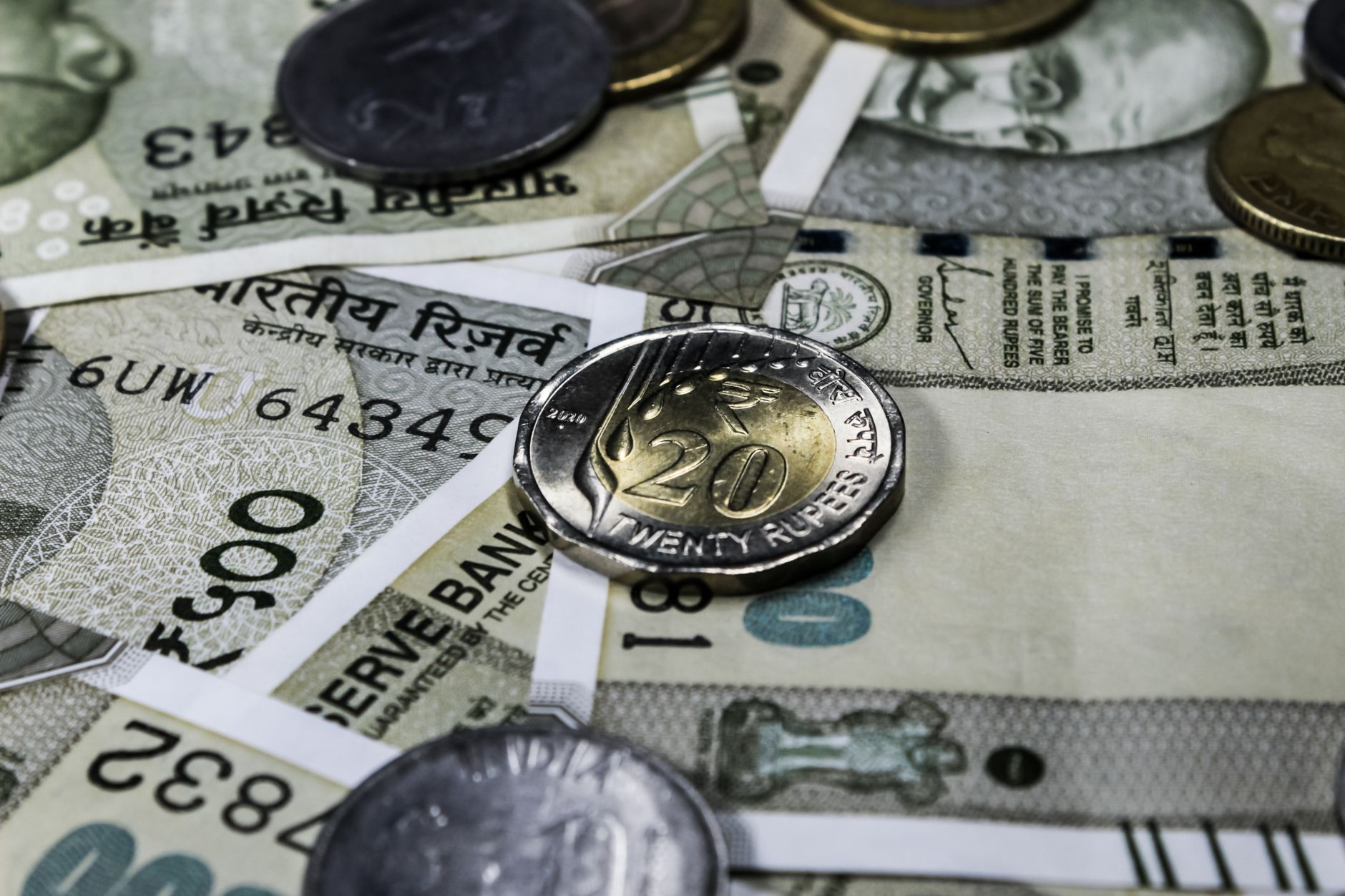
RBI repo rate hike is a significant event that affects borrowers across the country. Understanding its implications is crucial for managing your loans effectively.
What is the RBI repo rate?
The RBI repo rate is a crucial monetary policy tool used by the Reserve Bank of India to control inflation and stabilize the economy. It is the rate at which the RBI lends money to commercial banks, serving as the benchmark for various interest rates across the financial system. When the RBI raises the repo rate, it becomes more expensive for banks to borrow money, which can lead to higher loan interest rates for consumers and businesses.
Understanding the implications of an RBI repo rate hike is essential for borrowers. A rise in this rate can have several effects:
- Increased loan EMIs: Borrowers may face higher equated monthly installments on loans.
- Impact on new loans: Interest rates on new loans may rise, making borrowing costlier.
- Slower economic growth: Higher rates can dampen consumer spending and investment.
How does the repo rate affect loans?
The RBI repo rate hike can significantly impact various types of loans, influencing both interest rates and borrowing costs. When the Reserve Bank of India increases the repo rate, it becomes more expensive for commercial banks to borrow money. Consequently, banks often pass on these costs to consumers through higher interest rates on loans.
Here are some ways the repo rate affects loans:
- Home Loans: An increase in the repo rate can lead to higher EMIs for home loan borrowers, making housing less affordable.
- Personal Loans: Interest rates on personal loans may rise, increasing the financial burden on individuals.
- Business Loans: Higher borrowing costs can restrict business expansion and investment, potentially slowing economic growth.
Understanding the implications of the RBI repo rate hike is crucial for borrowers to manage their finances effectively.
Understanding the implications of the RBI’s decision
The recent RBI repo rate hike has significant implications for borrowers across the nation. When the Reserve Bank of India increases the repo rate, it directly affects the cost of borrowing for banks, which in turn impacts the interest rates on loans offered to consumers.
Here are some key points to consider:
- Increased EMI amounts: Borrowers may see their equated monthly installments (EMIs) rise, leading to higher monthly expenses.
- Impact on new loans: New borrowers might face higher interest rates, affecting their ability to take on loans.
- Potential slowdown in spending: With increased costs, individuals may cut back on discretionary spending, which could impact the economy.
Overall, understanding the implications of the RBI’s decision is crucial for managing personal finances effectively in this changing economic landscape.
Comparing past RBI repo rate hikes
In the past decade, the Reserve Bank of India (RBI) has implemented several repo rate hikes, each affecting borrowing costs differently. The most recent RBI repo rate hike has raised concerns among borrowers, reminiscent of previous increases in 2013 and 2018.
During the 2013 hike, the bank aimed to combat rising inflation, leading to a spike in loan interest rates, which significantly impacted home and auto loans. Similarly, the 2018 adjustments were intended to stabilize the economy amidst changing market conditions.
The RBI’s repo rate hike strategy aims to manage inflation while ensuring economic stability. Borrowers often feel the immediate effects of these changes, with lenders adjusting their rates accordingly. Understanding how previous hikes influenced loan repayments can provide insights into potential outcomes following the recent decision.
- 2013: Significant increase due to inflation.
- 2018: Adjustments to stabilize economy.
Tips for managing loans after a rate hike
With the recent RBI repo rate hike, managing loans effectively has become crucial for borrowers. Here are some tips to consider:
- Review your loan agreements: Understand the terms and conditions regarding interest rate changes and how they may affect your repayments.
- Consider refinancing: If you have a variable rate loan, refinancing to a fixed rate may provide stability in your monthly payments.
- Increase your EMI payments: If possible, consider increasing your equated monthly installments (EMIs) to offset the impact of rising rates.
- Build an emergency fund: Having a financial cushion can help you manage unexpected expenses without defaulting on your loans.
- Stay informed: Keep track of economic indicators that might suggest further RBI repo rate hikes in the future.
By taking these proactive steps, you can mitigate the negative effects of rising interest rates on your loans.
Expert opinions on the recent RBI decision
Experts have weighed in on the recent RBI repo rate hike, expressing mixed views on its impact on borrowers. Dr. Anjali Mehta, a financial analyst, believes that while the increase may strain household budgets, it could also stabilize inflation in the long run. She notes, “Higher rates discourage excessive borrowing, which is essential for economic health.”
On the other hand, Mr. Rajesh Kumar, a banking consultant, warns that the RBI repo rate hike might disproportionately affect low-income families. “For many, even a slight increase in interest rates can make loans unaffordable,” he states. He suggests that borrowers should consider switching to fixed-rate loans to shield themselves from future hikes.
Overall, experts agree that borrowers must reassess their financial strategies in light of the RBI’s decision, as it may lead to increased monthly repayments and tighter credit conditions.
Future projections for RBI rate changes
As economic conditions evolve, projections for future RBI repo rate changes have become a focal point for borrowers and financial institutions alike. Analysts suggest that the RBI repo rate hike may not be the end of tightening monetary policy.
Several factors contribute to this outlook:
- Inflation trends: If inflation continues to rise, the RBI may increase the repo rate further to maintain price stability.
- Global economic conditions: Changes in international markets and foreign policies can influence domestic interest rates.
- Growth forecasts: A slowdown in economic growth may prompt the RBI to either pause hikes or consider rate cuts in the future.
In light of the current RBI repo rate hike, experts emphasize the importance of staying informed about potential rate changes that could impact loan repayments and borrowing costs in the coming months.
Photo by Ravi Roshan on Pexels