
 Daisy Mae Cooper
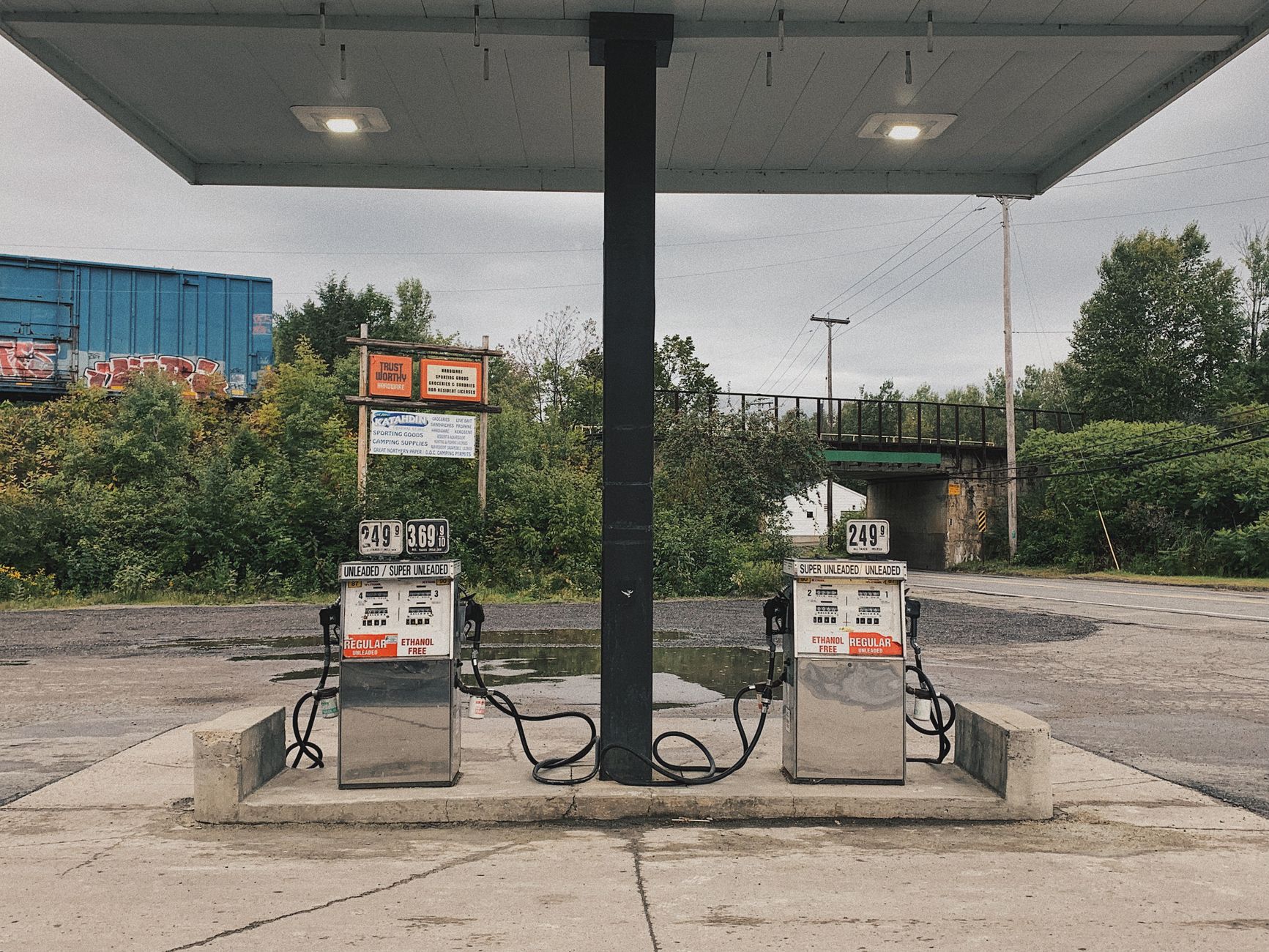
Falling crude prices have led to significant market fluctuations today. HDFC Bank’s intervention helped the Sensex and Nifty recover from initial losses, showcasing resilience in the Indian market.
Understanding Falling Crude Prices
In recent weeks, the financial landscape has been significantly influenced by falling crude prices, prompting both investors and consumers to reevaluate their strategies. The decline in crude oil prices, typically a barometer for economic health, has raised concerns over its implications for various sectors.
As crude prices drop, several key factors come into play that investors and businesses should monitor:
- Global Supply and Demand: An increase in oil production from major producers, combined with weaker demand due to economic slowdowns in key markets, has contributed to the decline in prices.
- Geopolitical Tensions: Ongoing tensions in oil-producing regions can lead to fluctuations in prices, even amidst a downward trend. Monitoring these developments is crucial.
- Alternative Energy Sources: The rise of renewable energy and electric vehicles may continue to exert pressure on traditional oil markets, influencing long-term price stability.
- Consumer Behavior: Lower crude prices often lead to decreased fuel costs for consumers, which can stimulate spending in other areas of the economy.
Understanding these dynamics is essential for navigating the complexities of the market. Companies and investors who adapt their strategies in response to falling crude prices may find new opportunities for growth and resilience in an evolving economic environment.
Impact on Indian Markets
The recent trend of falling crude prices has sent ripples through the Indian markets, impacting various sectors and investor sentiment. As crude oil prices continue to decline, concerns over inflation and economic stability have emerged, leading to fluctuations in the stock market.
Initially, the Sensex and Nifty experienced significant losses in response to global cues, but they managed to recover slightly by the end of the trading day. This rebound was largely attributed to strategic interventions by major players like HDFC Bank, which provided a much-needed cushion against the downward trend.
Several factors contribute to the dynamic relationship between falling crude prices and the Indian economy:
- Transportation Sector: Lower crude prices can lead to reduced fuel costs, benefiting logistics and transportation companies.
- Inflation Control: A decline in oil prices may help ease inflationary pressures, potentially leading to lower interest rates.
- Investor Sentiment: Decreased oil costs can provide a boost to consumer spending, positively influencing market confidence.
However, it is essential for investors to remain cautious amidst these market shifts. The impact of falling crude prices could be multifaceted, and stakeholders should adapt their strategies accordingly to navigate this evolving landscape effectively.
HDFC Bank’s Role in Recovery
In the wake of falling crude prices, HDFC Bank has emerged as a significant player in stabilizing market sentiments. As investors grapple with the implications of declining oil costs, HDFC Bank’s strategic measures have provided a much-needed counterbalance to the uncertainty plaguing the financial landscape.
Market analysts note that the bank’s robust financial health and proactive approach have enabled it to navigate these turbulent times effectively. Key strategies implemented by HDFC Bank include:
- Enhanced Liquidity Management: The bank has focused on maintaining a strong liquidity position to support its lending activities, ensuring that credit flows to sectors impacted by falling crude prices.
- Investment in Diversified Assets: HDFC Bank has diversified its investment portfolio, mitigating risks associated with volatility in crude oil markets and reducing exposure to sectors that may be adversely affected.
- Customer-Centric Initiatives: By launching tailored financial products, the bank is addressing the needs of clients facing challenges due to fluctuating oil prices, fostering loyalty and trust.
As the market adjusts to the new realities brought on by falling crude prices, HDFC Bank’s resilience and strategic foresight are likely to play a crucial role in supporting recovery efforts across the broader Indian economy. Investors are closely watching how these factors will influence market dynamics in the coming weeks.
Investor Reactions to Market Changes
As crude prices continue to fall, investors are recalibrating their strategies to navigate the shifting market landscape. The recent decline in crude oil prices has prompted mixed reactions among market participants, reflecting varying levels of confidence and concern.
Many investors are closely monitoring the implications of falling crude prices on energy stocks and sectors reliant on oil. Some view this as an opportunity to buy into undervalued companies, while others remain cautious, fearing that the overall market sentiment may not recover quickly. The following strategies are being considered:
- Diversification: Investors are looking to diversify their portfolios, shifting focus to sectors that may benefit from lower energy costs, such as transportation and manufacturing.
- Value Investing: With crude prices dropping, some stocks may be undervalued. Investors are seeking to identify these opportunities for long-term gains.
- Hedging: To mitigate risk, investors are using hedging strategies to protect against potential volatility in the market caused by fluctuations in crude prices.
In response to the latest market shifts, analysts urge investors to remain vigilant and adaptable. The combination of falling crude prices and the ongoing recovery efforts, particularly from institutions like HDFC Bank, suggests that while challenges remain, opportunities are also emerging for those willing to adjust their strategies accordingly.
Future Predictions for Crude Prices
As the global economy continues to adjust to various geopolitical tensions and supply chain disruptions, analysts are closely monitoring the trends surrounding falling crude prices. Many experts predict that these declining prices could persist in the near future, driven by a combination of oversupply and reduced demand from key markets.
Key factors influencing future predictions for crude prices include:
- Global Economic Recovery: A slow but steady recovery from the pandemic could lead to increased demand for crude oil, which might stabilize prices.
- Geopolitical Factors: Ongoing conflicts and trade negotiations can significantly impact oil supply, leading to potential fluctuations.
- Renewable Energy Transition: As countries push towards cleaner energy alternatives, long-term demand for crude could diminish, influencing its price trajectory.
- OPEC Decisions: The Organization of the Petroleum Exporting Countries plays a vital role in regulating oil production levels, affecting global crude prices.
In light of falling crude prices, investors are advised to consider strategic adjustments in their portfolios. Diversifying investments and focusing on sectors less correlated with oil prices may mitigate risks associated with market volatility. Additionally, staying informed about global economic indicators will be crucial for navigating this evolving landscape.
Strategies for Navigating Market Volatility
As falling crude prices continue to create ripples across the global economy, investors are urged to adopt smart strategies to navigate market volatility. The recent fluctuations present both challenges and opportunities, prompting a need for adaptive investment approaches.
One effective strategy is to diversify portfolios. By spreading investments across various sectors, investors can mitigate risks associated with falling crude prices. This includes considering sectors less affected by oil price changes, such as technology and consumer goods.
Additionally, staying informed about market trends is crucial. Regularly reviewing economic indicators and expert analyses can provide insights into potential market movements, allowing investors to make timely decisions.
Another key strategy is to focus on companies that benefit from lower crude prices. For instance, businesses in the transportation and logistics sectors often see improved margins as fuel costs decrease. Investing in these companies may provide a buffer against overall market downturns.
Lastly, maintaining a long-term perspective is vital. While short-term fluctuations can be unsettling, historically, markets tend to recover over time. Adopting a disciplined investment approach can help investors weather the storm of falling crude prices and emerge stronger in the long run.
In conclusion, leveraging these strategies can empower investors to navigate the complexities of market shifts while capitalizing on potential opportunities presented by the changing economic landscape.
Conclusion: Lessons from Today’s Market
As the world grapples with falling crude prices, it becomes increasingly essential for investors and market participants to adapt their strategies in response to shifting economic conditions. The current landscape offers valuable lessons in resilience and adaptability.
Firstly, it is crucial to stay informed about global oil market trends and geopolitical developments that can influence crude prices. Understanding the interplay between supply and demand can help investors make informed decisions, potentially mitigating losses during downturns.
Secondly, diversifying investment portfolios can be a prudent strategy. By allocating resources across various sectors that are less sensitive to crude price fluctuations, investors can cushion themselves against volatility. This includes considering investments in green energy or technology stocks that may thrive in an environment of low fossil fuel prices.
Additionally, maintaining liquidity is key. In uncertain markets, having accessible cash can provide opportunities to purchase undervalued assets as prices decline. This approach allows investors to capitalize on market recoveries when conditions stabilize.
Finally, working with financial advisors who understand the nuances of the crude oil market can provide an edge. They can help navigate the complexities of market shifts, ensuring that strategies remain aligned with both short-term and long-term goals.
In conclusion, falling crude prices present challenges but also opportunities. By employing smart strategies, investors can successfully navigate these market shifts.
Photo by Alexis Bahl on Pexels
